60+ Years of Power Engineering  ·  ISO 9001:2015 & ISO 13485 Certified Manufacturing
0%

Choosing the China Best Mobile Medical UPS for Hospitals requires more than comparing prices or battery capacity. A Mobile Medical UPS should protect portable ultrasound systems, patient monitors, infusion pumps, and emergency carts during unstable power conditions. In a busy ward, even a short interruption can freeze a display, interrupt monitoring, or delay treatment. Reliability matters most.

Hospital engineering teams usually examine output stability, transfer time, battery runtime, noise, wheel design, and maintenance access. They also review medical electrical safety, electromagnetic compatibility, supplier testing, and certification for the target market. A practical unit should move smoothly across tiled corridors, fit beside a bed, and operate quietly near sleeping patients. Its battery should support the real clinical load, not only a laboratory rating. That difference is often overlooked.

Field experience suggests that the “best” model depends on equipment, workflow, and local service support. A compact UPS may suit a mobile monitor but fail under a high-power imaging device. A larger battery may provide longer backup, yet increase weight and charging time. No single model wins everywhere. Price alone misleads.

This guide compares important technical and operational factors among Chinese Mobile Medical UPS options. It considers performance, documentation, after-sales support, and hospital usability. Still, published specifications need independent verification. Actual ward conditions can expose weaknesses that brochures do not mention. A careful evaluation should include load testing, alarm checks, battery inspection, and feedback from nurses and biomedical technicians before purchase.
China Best Mobile Medical UPS for Hospitals?

What Is a Mobile Medical UPS for Hospitals?

China Best Mobile Medical UPS for Hospitals?

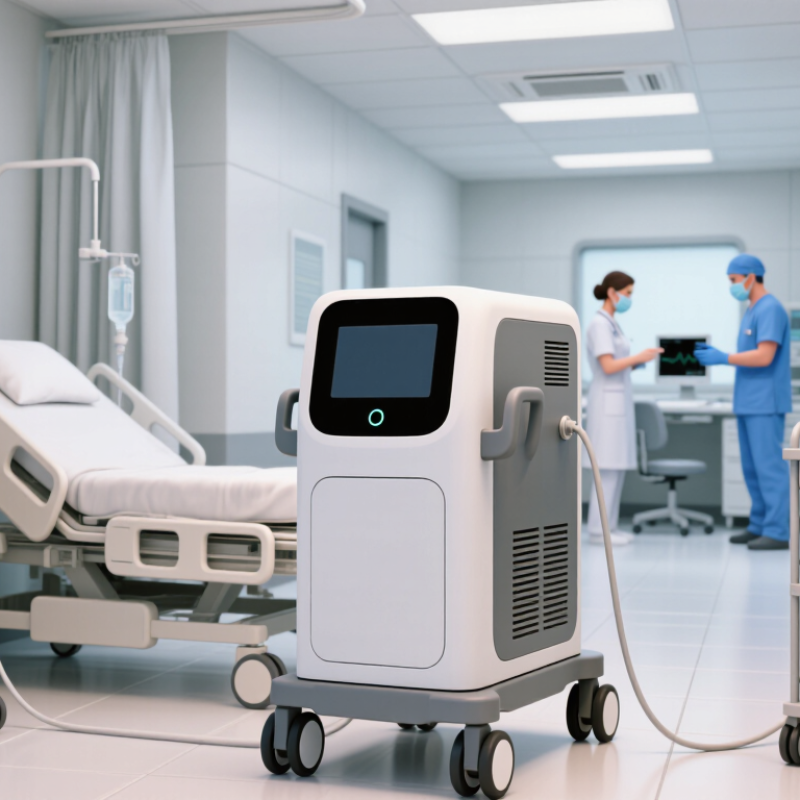
A mobile medical UPS is a wheeled power protection unit for hospital equipment. It combines rechargeable batteries, an inverter, outlets, and monitoring controls. When mains power fails, it supplies electricity almost instantly. This helps keep patient monitors, infusion pumps, ventilators, ultrasound systems, and portable imaging equipment operating during transfers or procedures. The word “mobile” can mislead. It is not simply a battery on wheels. A suitable unit must match the equipment’s power rating, plug type, startup demand, and required runtime.

In practical hospital assessments, staff should test the UPS beside real equipment, not only read its label. Check alarm volume, wheel stability, cable reach, charging time, and battery replacement access. Confirm that the output remains stable when several devices start together. A UPS may show enough capacity on paper, yet fail when a motor or imaging system creates a short surge. That detail is easy to miss. It is also wise to involve clinical engineering staff and follow the facility’s electrical safety procedures. No device removes every risk.

Tips: Place the UPS where staff can move it without blocking corridors. Record battery health and test runtime regularly. Keep ventilation openings clear. Train nurses and technicians to recognize overload alarms. During an outage, use only essential loads. One more point deserves reflection: longer runtime is not always better if the unit becomes too heavy for safe handling.

Key Power Protection Features for Clinical Equipment

China Best Mobile Medical UPS for Hospitals?

Choosing a mobile medical UPS starts with the clinical task, not the advertised battery size. A bedside monitor may need stable power during short transfers. A portable imaging unit may require higher output and stronger surge control. The best design depends on both equipment sensitivity and movement frequency.

Online double-conversion protection can provide steady voltage and a clean sine-wave output. This matters for monitors, infusion pumps, ventilators, and diagnostic electronics. A near-zero transfer time helps prevent resets when hospital power changes. Look for overload protection, short-circuit control, and surge suppression. These features reduce risk during crowded ward operations.

Battery runtime should match real workflows, including elevator delays and emergency procedures. Clear alarms must show low charge, overload, temperature, and service needs. A screen is useful, but remote monitoring can help technical teams respond faster. Locking casters, insulated handles, and sealed battery compartments improve daily handling. Grounding and leakage-current performance also deserve careful review.

Small details matter.

A common mistake is selecting maximum capacity without checking weight, charging time, or outlet compatibility. That choice can make the unit difficult to move or maintain. Battery aging also reduces actual runtime, sometimes earlier than expected. Hospitals should test the UPS with connected clinical loads, not only factory specifications. Review records, maintenance access, and alarm behavior before approval. No single mobile UPS suits every department.

China Best Mobile Medical UPS for Hospitals? – Key Power Protection Features for Clinical Equipment

Representative continuous power demand for commonly protected clinical equipment

Medical UPS selection should account for equipment startup current, battery autonomy, voltage regulation, zero-interruption power transfer, overload capability, and alarm or remote-monitoring functions. The power values shown are representative planning figures; actual requirements vary by equipment model and operating mode.

How to Evaluate UPS Capacity, Runtime, and Mobility

China Best Mobile Medical UPS for Hospitals?

Choosing a mobile medical UPS starts with the load, not the battery label. List every device, including monitors, pumps, scanners, and chargers. Add their running watts and startup surges. For example, a 180-watt cart needing 90 minutes requires 270 watt-hours. At 85% conversion efficiency, the battery should provide about 318 watt-hours. Add aging and cold-room reserves. A practical target may exceed 400 watt-hours.

Uptime Institute’s 2024 Global Data Center Survey reported that 54% of respondents experienced an outage within three years. Power remained a leading cause. Hospitals face tighter consequences, because a short interruption can freeze an infusion pump or reset a monitor. Check IEC 62040 performance data, power factor, transfer time, and overload protection. Runtime claims should show test conditions. A perfect laboratory number can disappoint beside a real treatment trolley. My first estimate was too optimistic.

Mobility needs equal attention. Measure total weight, wheel diameter, turning radius, brake strength, and cable reach. A unit that cannot cross a threshold is not truly mobile. Confirm electromagnetic compatibility under IEC 60601-1-2 and electrical safety under IEC 62040-1. ECRI’s 2024 health technology guidance also highlights risks created by connected medical equipment, making stable power and alarm visibility important. Ask for battery replacement intervals, temperature limits, maintenance records, and full-load test results. Require evidence, not polished brochures.

Safety and Compliance Requirements in Healthcare Settings

China Best Mobile Medical UPS for Hospitals?

Safety and Compliance Requirements in Healthcare Settings

A mobile medical UPS must protect patients, not only preserve battery runtime. In a crowded ward, it may power monitors, infusion pumps, ultrasound systems, or ventilators during transfer. Each load has different startup behavior and sensitivity to voltage distortion. A suitable unit should support IEC 60601-1 safety evaluation and IEC 60601-1-2 electromagnetic compatibility testing. However, compliance belongs to the complete medical electrical system, not automatically to the UPS alone.

The 2023 WHO, World Bank, IRENA, and UNICEF report found that around 675 million people rely on healthcare facilities without reliable electricity. Even brief interruptions can affect alarms, stored clinical data, and time-critical treatment. Hospitals should verify transfer time, output waveform, leakage current, grounding, enclosure protection, and battery temperature limits. NFPA 99 also emphasizes essential electrical systems, risk assessment, and regular maintenance in healthcare environments.

Small details matter. Wheels must lock firmly. Cables should not cross evacuation paths. Audible alarms need adjustable levels, especially near intensive-care beds. Battery replacement records should be traceable. A 2024 Uptime Institute analysis reported that 54% of serious data-center outages exceeded 100,000 dollars in total impact; hospital consequences may be harder to price. That figure is not a clinical statistic, but it exposes a practical weakness: backup power is often treated as equipment, rather than part of care delivery. Testing under real transport conditions is still frequently overlooked.

How to Select the Best Mobile Medical UPS for a Hospital

Selecting a mobile medical UPS for a hospital starts with the equipment, not the price.

List every connected device, its wattage, startup demand, and acceptable interruption time. A portable ultrasound cart may need different protection from a ventilator, monitor, or infusion pump.

Ask the clinical engineering team to measure real loads during busy shifts. Nominal ratings can mislead. Choose a unit with pure sine-wave output, stable voltage, and enough headroom for future devices.

For sensitive equipment, verify electrical safety, leakage-current limits, electromagnetic compatibility, and applicable medical-device standards. Local regulations and the hospital’s risk policy must guide final approval.

Mobility is equally important. Inspect caster locks, handle strength, turning radius, and the unit’s behavior on ramps. Smooth, sealed surfaces support cleaning, while clear battery and overload alarms reduce hurried mistakes.

Calculate runtime using measured load, not the battery label. Confirm recharge time, battery replacement access, maintenance records, and service response before purchase.

A practical lesson is easy to miss: staff may avoid a heavy cart, even when its electrical specifications look excellent. That failure matters. A lighter model may be safer, but only if it remains stable and protects the required load.

Test the UPS beside real beds and carts, with clinical staff present. No selection is perfect. Document the test results, revisit them after deployment, and question assumptions when workflows change.

FAQS

What is a mobile medical UPS?

It is a wheeled power unit for hospital equipment. It includes batteries, an inverter, outlets, and monitoring controls. It supports equipment during power failures or patient transfers.

Which hospital devices can use a mobile UPS?

It can support patient monitors, infusion pumps, ventilators, ultrasound systems, and portable imaging equipment. Check each device’s power and startup requirements first.

How should hospital staff calculate UPS capacity?

List every connected device and record running watts and startup surges. Add their energy needs, conversion losses, battery aging, and temperature reserves.

Can you provide a simple runtime example?

A 180-watt cart used for 90 minutes needs about 270 watt-hours. With 85% efficiency, the battery needs roughly 318 watt-hours. More reserve is safer.

Why can a UPS fail despite having enough listed capacity?

Motors and imaging systems may create short startup surges. A label can look sufficient, yet the output may drop when several devices start together.

What mobility features should hospitals inspect?

Check total weight, wheel diameter, turning radius, brake strength, cable reach, and threshold clearance. A unit must move safely through corridors. Heavy is not always better.

How can staff test a mobile UPS properly?

Test it beside real equipment, not only from specifications. Check alarm volume, wheel stability, charging time, ventilation, and battery replacement access.

What safety details require regular attention?

Confirm electrical safety, electromagnetic compatibility, overload protection, stable output, and transfer performance. Keep ventilation openings clear. No device removes every risk.

How should runtime and battery condition be managed?

Record battery health and test runtime regularly. Ask about replacement intervals, temperature limits, maintenance records, and full-load testing. My first estimate may be too optimistic.

How should staff use the UPS during an outage?

Connect essential loads only. Train nurses and technicians to recognize overload alarms. Keep cables controlled and avoid blocking corridors. Small mistakes still matter.

Conclusion

A Mobile Medical UPS for hospitals is a portable, battery-based power protection system designed to support critical clinical equipment during power interruptions, voltage fluctuations, or unstable electrical conditions. It can help maintain continuous operation for devices such as monitors, imaging systems, infusion equipment, and emergency-care tools. Important features include stable power output, surge protection, battery status monitoring, alarm functions, safe charging, and compatibility with sensitive medical electronics.

Choosing the best solution requires evaluating the equipment’s power demand, required runtime, battery recharge time, portability, wheel design, and ease of deployment between departments. Hospitals should also consider electrical safety, fire prevention, infection-control practices, grounding, electromagnetic compatibility, and applicable healthcare compliance requirements. A practical selection process should match capacity and runtime to clinical priorities while confirming that the unit is easy to move, simple to maintain, and reliable in demanding hospital environments.


Evelyn

Evelyn

Evelyn is a dedicated marketing professional with a deep understanding of the company’s products, customers, and market dynamics. Through thoughtful research and clear communication, she transforms complex product information into practical insights that help readers make confident decisions. As a......