60+ Years of Power Engineering  ·  ISO 9001:2015 & ISO 13485 Certified Manufacturing
0%

Choosing Liquid Cooled AC DC Power Supplies in 2026 requires more than comparing output ratings. These units support high-power systems where heat, space, efficiency, and uptime directly affect operating costs. A reliable selection begins with the load profile, not the product brochure. Measure continuous power, peak demand, startup current, voltage range, and expected duty cycle. Small details matter. A pump may draw more current during startup. A laboratory load may change rapidly within milliseconds.

Thermal performance deserves close attention. Review coolant type, flow rate, inlet temperature, pressure drop, and allowable operating range. A compact power supply can appear efficient while producing excessive heat inside a sealed cabinet. That heat eventually reaches cables, connectors, and nearby control electronics. Look for tested efficiency curves, protection features, service documentation, and clear derating data. Certifications should also match the equipment’s market and installation environment. Verify the latest requirements before purchasing.

This guide compares Liquid Cooled AC DC Power Supplies through practical engineering criteria, including reliability, maintainability, control interfaces, and total ownership cost. Experienced engineers should challenge optimistic specifications. Is the efficiency measured at full load? Is cooling performance tested under real ambient conditions? These questions expose weak assumptions. No selection method is perfect. Even a well-designed system can fail when coolant quality, maintenance access, or operator training is overlooked. The best choice balances measurable performance with realistic service conditions, documented evidence, and a reasonable margin for uncertainty.
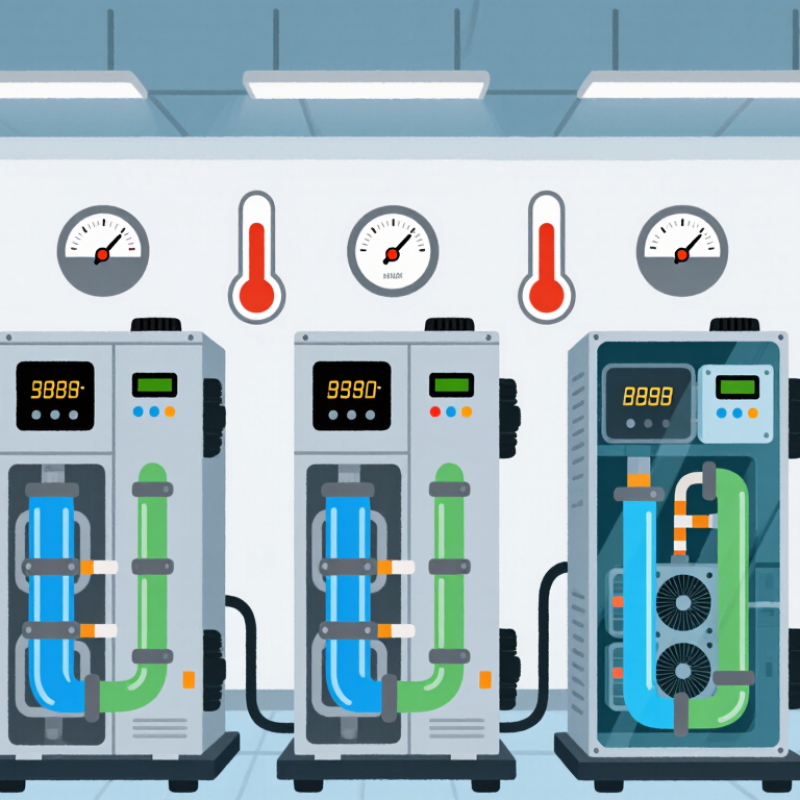
How to Choose Liquid Cooled AC DC Power Supplies in 2026?

Understanding Liquid-Cooled AC/DC Power Supply Fundamentals

Choosing a liquid-cooled AC/DC power supply starts with its electrical path. AC enters through filtering and rectification, then power-factor correction stabilizes the DC bus. A switching stage regulates the output voltage and current. This sequence matters because each stage creates heat, noise, and possible failure points. Know the input range, output profile, isolation rating, ripple target, and transient load before comparing thermal designs. Do not judge by wattage alone. Power density changes everything.

Liquid cooling removes heat through a cold plate or integrated channel beside the switching devices. A pump moves coolant through the loop, while a radiator or facility chiller releases stored heat. Check coolant type, flow rate, pressure drop, inlet temperature, and allowable temperature rise. Water-glycol mixtures can improve freeze protection, but their viscosity may reduce flow. Electrical isolation is critical; a small leak near high-voltage sections can become a serious hazard. Use leak detection, insulated fittings, and clear service access. Keep condensation below the enclosure’s dew point.

During evaluation, measure efficiency at realistic loads, not only at the rated point. Record output ripple with suitable probes, and test startup, shutdown, overload, and blocked-flow conditions. Thermal cameras can reveal uneven contact between the cold plate and power modules. This detail is easy to miss. Higher flow is not always better. It may increase pump energy and vibration without lowering semiconductor temperature. I would also question optimistic datasheets when ambient conditions are vague. A quiet prototype can still fail after dust, aging coolant, or repeated thermal cycling. Leave room for maintenance and honest uncertainty.

Defining Voltage, Current, Power, and Cooling Requirements

How to Choose Liquid Cooled AC DC Power Supplies in 2026?

Defining Voltage, Current, Power, and Cooling Requirements

Start with the load, not the power supply label. Record the required DC voltage, operating range, peak current, and startup surge. A 48-volt system drawing 30 amperes needs 1,440 watts during steady operation.

Keep practical headroom, usually 15 to 25 percent, for aging and transient demand. Confirm whether the equipment accepts voltage variation. Tight-tolerance electronics may need better regulation than motors or heaters. Measure real loads when possible. Datasheets can hide short peaks.

Cooling requirements deserve equal attention. Liquid cooling removes heat more efficiently than air, but it adds pumps, tubing, fittings, and maintenance points. Estimate heat from efficiency. A 92% efficient, 2,000-watt supply produces about 174 watts of heat. That heat enters the coolant loop.

Check coolant inlet temperature, flow rate, pressure drop, and allowable component temperature. A cold plate may feel cool while a poorly monitored outlet quietly rises.

I once selected cooling capacity from maximum output power alone. That was too simple. Losses, ambient conditions, and blocked flow mattered more.

Leave thermal margin for fouling and pump degradation. Verify coolant compatibility with seals and metals. Also inspect insulation, leakage detection, grounding, and service access.

Short tests under real startup cycles often reveal problems that bench calculations miss. The quiet details matter.

Comparing Liquid Cooling Technologies and System Configurations

How to Choose Liquid Cooled AC DC Power Supplies in 2026?

Choosing liquid-cooled AC DC power supplies requires more than comparing output ratings. Heat path design often determines real performance. Start with the heat source. Cold-plate cooling transfers heat through a metal interface. It suits compact supplies with predictable component locations. Direct-to-chip cooling uses channels near power semiconductors. It reduces thermal resistance but demands careful sealing and service planning. Immersion cooling surrounds components with dielectric fluid. It can equalize temperatures effectively, although fluid compatibility needs long-term testing.

System configuration changes maintenance requirements. A sealed single-loop system saves space and limits contamination. However, a blocked filter can affect the entire supply. A split-loop design separates sensitive electronics from the external cooling circuit. This improves service flexibility but adds pumps, fittings, and monitoring points. Redundancy matters. Dual pumps, flow sensors, and temperature alarms can protect production equipment during partial failures. Keep the control cabinet dry.

Selection should reflect actual operating conditions. A dusty factory may benefit from a sealed cold plate. A high-density server enclosure may justify direct-to-chip cooling. Check coolant viscosity, pressure drop, noise, and expected service intervals. Engineers sometimes over-specify cooling capacity. That increases cost without improving reliability. I would test the complete assembly under peak load, not only the power module. Record inlet temperature, outlet temperature, ripple, and recovery behavior after a pump interruption. Small installation details often decide whether a promising design performs reliably.

Evaluating Safety, Efficiency, Reliability, and Environmental Ratings

How to Choose Liquid Cooled AC DC Power Supplies in 2026?

Safety should be assessed before output power. Check reinforced insulation, leakage current, short-circuit protection, and over-temperature shutdown. A sealed coolant loop reduces dust exposure, but it creates another failure point. Inspect hose materials, fittings, pressure limits, and leak detection features. For harsh installations, verify the enclosure’s IP rating and the supplier’s test records.

Efficiency must be measured across the real load range, not only at peak output. A unit rated above 95 percent may perform differently at light loads. Thermal derating matters when coolant temperature rises or airflow becomes restricted. Reliability depends on component quality, control software, service access, and documented testing. MTBF figures can help, but they are estimates, not promises. Environmental ratings should cover operating temperature, humidity, vibration, altitude, and electromagnetic compatibility. Certifications for relevant safety and environmental standards add useful evidence. Still, paperwork cannot replace practical inspection.

Tips: Request efficiency curves, not one headline number. Ask how quickly protection systems respond. Examine sample test reports and coolant maintenance instructions. Leave room for future output growth. I once focused too heavily on compact dimensions and underestimated service clearance. That mistake made routine inspection unnecessarily difficult. A slightly larger enclosure may provide better cooling access and longer maintenance intervals.

Selecting and Verifying the Best Power Supply for Your Application

How to Choose Liquid Cooled AC DC Power Supplies in 2026?

Selecting and verifying a liquid cooled AC DC power supply starts with the application, not the catalog. Record input voltage, output range, continuous power, peak load, and allowable ripple. Include startup surges from motors, capacitors, or control systems. A unit rated for 10 kW may fail when its load repeatedly reaches that level. Leave practical headroom.

Cooling details deserve equal attention. Check coolant type, flow rate, inlet temperature, pressure drop, and connector placement. Measure the available cooling capacity at the installation site, not only in laboratory conditions. A compact heat exchanger can appear suitable on paper. In operation, clogged filters or warm coolant may reduce performance quickly. Keep sensors near the power module.

Verification should include more than a visual inspection. Test regulation during rapid load changes, long-duration operation, restart cycles, and input fluctuations. Monitor output ripple with suitable probes, while recording temperatures at terminals and switching devices. Confirm insulation, grounding, protection functions, and compliance with applicable safety standards. I once trusted a generous efficiency figure and overlooked partial-load losses. That mistake changed the thermal design.

Request traceable test data. Review calibration dates and test conditions. Ask whether ratings are continuous or short-term. Inspect seals and coolant paths for leakage risks before energizing the system. Document every result. Some verification steps feel excessive, but unexplained noise or temperature drift often appears late. That is when assumptions become expensive.

FAQS

How should I calculate the required power supply capacity?

Start with the equipment load. A 48-volt system drawing 30 amperes needs 1,440 watts continuously. Add 15 to 25 percent headroom. Check startup surges and short current peaks. Datasheets may hide them. Measure the real load when possible.

Why does liquid cooling matter for high-power supplies?

Liquid cooling removes heat more efficiently than air cooling. It can support compact, high-density equipment. However, it adds pumps, tubing, fittings, and maintenance points. More cooling hardware means more possible failures.

How much heat does a power supply produce?

Calculate losses from efficiency. A 2,000-watt supply operating at 92 percent efficiency produces about 174 watts of heat. That heat enters the coolant loop. Ambient temperature can increase the thermal burden. Do not size cooling from output power alone.

What coolant conditions should be checked?

Check inlet temperature, flow rate, pressure drop, and component temperature. Confirm coolant compatibility with seals and metals. Monitor outlet temperature too. A cold plate may feel cool while the outlet quietly overheats.

Which liquid-cooling configuration suits compact equipment?

Cold-plate cooling suits supplies with predictable component locations. Direct-to-chip cooling can reduce thermal resistance. It requires careful sealing and service planning. Immersion cooling can equalize temperatures effectively. Long-term fluid compatibility still needs testing.

What are the maintenance differences between cooling system designs?

A sealed single-loop design saves space and limits contamination. A blocked filter can affect the entire supply. A split-loop design improves service flexibility but adds fittings and monitoring points. Keep the control cabinet dry. That detail is easy to miss.

Which safety and environmental ratings deserve attention?

Check reinforced insulation, leakage current, short-circuit protection, and over-temperature shutdown. Inspect hoses, fittings, pressure limits, and leak detection. Verify ratings for temperature, humidity, vibration, altitude, and electromagnetic compatibility. Certifications provide evidence, not certainty.

How can I verify reliability before installation?

Test the complete assembly under peak load and real startup cycles. Record inlet temperature, outlet temperature, ripple, and recovery after pump interruption. Review efficiency across the full load range. MTBF values are estimates, not promises. I once prioritized compact size and underestimated service clearance. That made routine inspection unnecessarily difficult.

Conclusion

Choosing Liquid Cooled AC DC Power Supplies in 2026 requires a clear understanding of how alternating current is converted into stable direct current and how liquid cooling supports demanding operating conditions. Start by defining the required voltage, current, and total power, then consider load variation, startup demands, operating temperature, available space, and the cooling capacity needed for continuous performance. Different liquid cooling technologies and system configurations may offer advantages in thermal control, installation flexibility, maintenance, and noise reduction, so the design should match the application’s actual requirements.

A reliable selection process should also evaluate electrical safety, energy efficiency, protection functions, service life, environmental ratings, and compatibility with the surrounding system. Verify key specifications through testing, documentation, and real operating conditions rather than relying only on nominal ratings. By balancing performance, thermal management, reliability, and long-term operating costs, users can select a liquid-cooled AC/DC solution that delivers stable power, supports efficient equipment operation, and remains dependable in demanding environments.


Evelyn

Evelyn

Evelyn is a dedicated marketing professional with a deep understanding of the company’s products, customers, and market dynamics. Through thoughtful research and clear communication, she transforms complex product information into practical insights that help readers make confident decisions. As a......