60+ Years of Power Engineering  ·  ISO 9001:2015 & ISO 13485 Certified Manufacturing
0%

Global buyers need more than a supplier list when evaluating Tempest EMI Filters. They need evidence, testing discipline, and dependable technical support. MarketsandMarkets estimates that the global EMI shielding market could grow from approximately USD 7.1 billion in 2023 to USD 9.6 billion by 2028. Grand View Research also reports sustained growth, driven by automotive electronics, aerospace systems, telecommunications, and medical equipment. These figures cover broader shielding technologies, not Tempest EMI Filters alone. That distinction matters.

A credible supplier should provide insertion-loss curves, rated current, operating temperature, impedance data, and inspection records. Buyers should also examine ISO 9001 certification, production traceability, sample testing, and delivery performance. Henry Ott, a respected EMC engineer and author, stated, “EMC is a system design issue, not a component issue.” His point remains practical. A filter may perform well in a laboratory, yet fail after installation, grounding changes, or cable routing differences.

Supplier rankings are never perfectly objective. Price is visible. Long-term reliability is harder to measure. Global purchasing teams should compare datasheets against independent test results and real application requirements. A 10-amp filter for an industrial cabinet is not automatically suitable for an aircraft power module. Small details matter, including connector fit, enclosure space, moisture exposure, and replacement availability. This guide examines leading Tempest EMI Filters suppliers through those criteria. It also considers regional support, customization capacity, compliance documentation, and response quality. Some market data remains broad, and supplier claims deserve verification. That is an inconvenient truth, but a useful one.
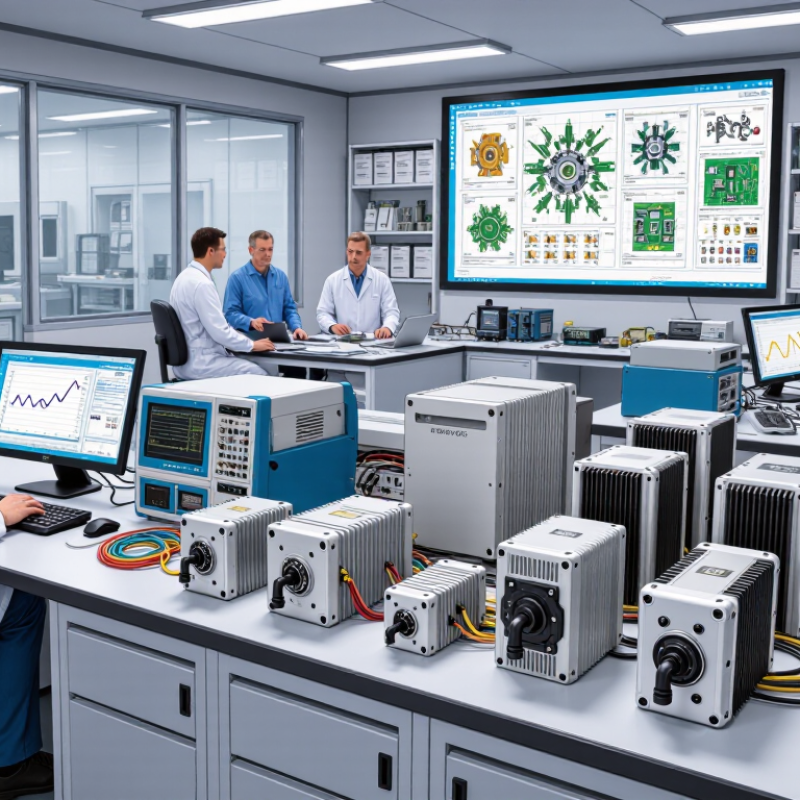
Top Tempest EMI Filters Suppliers for Global Buyers

What Tempest EMI Filters Are and Why Global Buyers Need Them

What Tempest EMI Filters Are and Why Global Buyers Need Them

Tempest EMI filters are line-entry devices that reduce unwanted electromagnetic energy entering or leaving sensitive equipment. They are commonly installed on power, signal, and communication lines. In secure rooms, a filter works with shielding, grounding, cable separation, and controlled access. It is not a complete protection system by itself.

The practical goal is simple: prevent conducted signals from revealing equipment activity or disturbing nearby electronics. Buyers should examine insertion loss across the required frequency range, rated voltage, current capacity, leakage current, and environmental performance. A filter that performs well in a laboratory may fail after moisture, vibration, or poor bonding affects the installation. That detail is easy to underestimate.

Market evidence shows continuing demand. MarketsandMarkets estimated the global EMI shielding market at about USD 7.1 billion in 2023, potentially reaching USD 9.8 billion by 2028. Grand View Research also reports sustained growth, driven by connected devices, defense electronics, data centers, and industrial systems. These figures concern shielding broadly, not Tempest filters alone, but they indicate stronger attention to electromagnetic security. Global buyers should request independent test results, traceable specifications, and installation guidance from suppliers. Standards alignment matters, yet “compliant” should not replace project-specific testing. More attenuation is not always better. Oversized filters can add cost, heat, and maintenance concerns. Real-world verification remains the part many purchasing plans handle too late.

Key Technical Standards for Evaluating Tempest EMI Filter Suppliers

For global buyers, evaluating Tempest EMI filter suppliers requires more than comparing insertion-loss figures. A dependable supplier should explain the protected frequency range, rated current, voltage, impedance, and leakage performance. Ask for curves, not only a single decibel value. Small gaps can matter.

Technical evidence should match the equipment’s operating environment. MIL-STD-461 test methods may support conducted and radiated interference assessments, while relevant IEC 61000 standards help evaluate EMC behavior. These standards do not automatically prove Tempest protection. Require complete test conditions, including cable length, grounding method, load configuration, and enclosure arrangement. Reports from an ISO/IEC 17025 accredited laboratory add useful confidence. The supplier should also maintain traceable calibration records and controlled production inspections.

A capable supplier can provide samples for independent verification. Check attenuation after vibration, temperature cycling, and repeated connector installation. Confirm that the filter does not create excessive voltage drop or heat during continuous operation. Ask whether production units match the tested design. This is where many evaluations become weak. A polished report may hide installation-sensitive results. I would also review ISO 9001-based quality controls, material traceability, change notification procedures, and failure analysis records. The final decision should follow the customer’s security authority and system-level test plan, not a brochure claim. Even strong filters can underperform when bonding, cable routing, or cabinet seams are poorly designed.

How to Compare Leading Tempest EMI Filter Manufacturers Worldwide

Global buyers should compare Tempest EMI filter manufacturers through measured performance, not attractive product pages. Request insertion-loss data across the required frequency range. Check whether tests used realistic cable lengths, loads, and enclosure conditions. A filter rated for 16 amperes may perform differently near its thermal limit. Small details matter.

Review voltage rating, leakage current, impedance, connector type, and mounting method. Ask for dimensions and a clear installation drawing. Confirm whether the housing supports grounding with low contact resistance. For harsh environments, examine vibration, humidity, temperature cycling, and corrosion test records. Independent laboratory reports carry more weight than general compliance statements. Manufacturing traceability also matters. Serial numbers, material records, and inspection results can simplify future audits.

Supplier comparison should include engineering support and production discipline. Can the manufacturer provide samples, custom pin layouts, and repeatable test data? Ask how failed units are handled. A responsive technical team often prevents expensive redesigns. Lead time deserves careful attention, especially when filters require special capacitors or metalwork. The lowest quotation may exclude testing, tooling, or export packaging. That can distort the real cost.

I would not trust a perfect datasheet alone. Real installations are messier. Cabinet seams, poor bonding, and cable routing can weaken an otherwise capable filter. A practical evaluation should include prototype testing inside the intended enclosure. That extra step may reveal uncomfortable gaps, but it creates a more reliable purchasing decision.

Top Tempest EMI Filters Suppliers for Global Buyers

How to Compare Leading Tempest EMI Filter Manufacturers Worldwide

This buyer-side scorecard uses practical procurement dimensions for comparing industrial EMI filter suppliers. The recommended weighting emphasizes electrical performance, safety compliance, environmental durability, supply capability, and technical documentation rather than company or brand claims.

Supplier Capabilities, Customization Options, and Quality Assurance

Top Tempest EMI Filters Suppliers for Global Buyers

Reliable suppliers offer more than catalog parts. They should explain attenuation performance, operating temperature, current ratings, and installation limits. Experienced teams can review your enclosure drawings and identify grounding problems before production begins. A capable supplier may also support prototypes, small batches, and stable volume manufacturing.

Customization can include enclosure size, connector layout, mounting holes, cable entry, and filter frequency range. Some projects need sealed housings for dusty factory floors. Others require compact filters beside sensitive control boards. Ask for insertion-loss curves, thermal data, and mechanical drawings. These details reveal whether the design fits your system, not just the sales sample. I have found that rushed specifications often create avoidable redesigns. No filter fixes poor grounding.

Tips: Request a sample with the same materials and terminals used in production. Check leakage current, temperature rise, vibration resistance, and attenuation under realistic loads. Confirm whether testing uses calibrated equipment. Ask for batch records, serial tracking, and inspection results. Independent laboratory reports can strengthen confidence, but they should match the delivered configuration. A certificate alone is not enough. Suppliers following documented quality systems, such as ISO 9001, usually provide clearer corrective-action records. Still, buyers should review evidence carefully. Even a polished supplier may overlook connector tolerances or late component substitutions.

Global Sourcing Factors: Pricing, Logistics, Compliance, and Support

Global buyers need more than a low price when sourcing tempest EMI filters. A reliable supplier should explain attenuation performance, operating temperature, voltage ratings, and installation limits clearly. Ask for recent test reports, drawings, and batch traceability records. These documents show practical engineering discipline.

Pricing should include tooling, samples, packaging, inspection, and replacement terms. A cheap quotation can become expensive after freight, customs delays, or failed testing. Compare total landed cost, not only unit price. For logistics, confirm lead times, export packaging, shipping options, and stock locations. Moisture-resistant packing matters when filters cross humid routes. Compliance also requires careful review. Request declarations and test evidence related to applicable EMC, safety, environmental, and market requirements. Standards may differ by destination. Do not accept a generic certificate without checking its scope.

Tips: Start with a small pilot order. Measure real performance before scaling. Keep two qualified suppliers when continuity matters. Technical support should cover wiring, grounding, enclosure design, and troubleshooting. Fast replies are useful, but precise replies are better. Some suppliers provide impressive claims yet weak engineering records. That is a warning. I would also review communication quality during sampling, because delays and vague answers often predict future problems. No sourcing process is perfect; specifications can change after field testing. Leave room for corrective action, updated documentation, and a second technical review.

Top Tempest EMI Filters Suppliers for Global Buyers - Global Sourcing Factors: Pricing, Logistics, Compliance, and Support

Supplier Profile Typical Product Scope Typical Current / Voltage Range Indicative Unit Pricing* Typical MOQ Typical Lead Time Logistics Considerations Compliance Evidence to Request Engineering & After-Sales Support Best Fit for Global Buyers
Profile A
Standard Feedthrough Supplier
Single-phase feedthrough filters, panel-mounted EMI filters, capacitor-inductor networks, and filtered connectors. 1–30 A; commonly 120–250 VAC or equivalent DC ratings. Approximately US$25–150 per unit, depending on attenuation, enclosure, and connector configuration. 10–50 units for standard catalog configurations. 2–6 weeks for standard items; 6–10 weeks for customized terminations. Air freight is practical for small consignments; confirm HS classification, export packaging, and delivery duty terms. Rated voltage and current, insertion-loss curves, dielectric-strength test results, RoHS/REACH declarations, and manufacturing quality certificates. Basic drawing review, sample testing, wiring guidance, and replacement support. Cost-sensitive prototypes, control cabinets, communication equipment, and low-to-medium power installations.
Profile B
High-Current Power Filter Supplier
Three-phase power-line filters, high-current feedthrough assemblies, industrial mains filters, and multi-stage attenuation units. 30–400 A; commonly 208–480 VAC three-phase systems. Approximately US$150–1,200 per unit; higher for large enclosures and high insertion-loss requirements. 1–10 units for standard designs; project quantities may be negotiated. 6–12 weeks, with longer schedules for copper busbars, custom cabinets, or special testing. Crated shipment may be required; verify pallet dimensions, lifting points, insurance, and destination electrical requirements. Phase configuration, thermal-rise data, short-circuit withstand information, safety test reports, grounding provisions, and EMC test data. Load calculation, installation drawings, grounding advice, commissioning assistance, and field troubleshooting. Data centers, industrial automation, secure facilities, and high-power equipment rooms.
Profile C
Shielded-Room Power Filter Supplier
Power-entry filters for shielded rooms, secure laboratories, screened enclosures, and facility-level electromagnetic control. Single- and three-phase systems; commonly 16–200 A, with project-specific voltage ratings. Approximately US$500–5,000 per assembly, excluding installation and room integration. 1–5 assemblies per project. 8–16 weeks, including engineering approval and factory testing. Coordinate delivery with construction milestones; large filters may require moisture protection and specialist handling. Shielding-effectiveness data, insertion-loss plots, leakage-current data, bonding details, earthing instructions, and project test procedures. Site survey, interface drawings, room penetration planning, installation supervision, and acceptance-test support. Government facilities, secure communication rooms, research laboratories, and controlled-access environments.
Profile D
Custom TEMPEST Integration Supplier
Custom filters, filtered connectors, signal-line protection, power-entry modules, and integrated enclosure penetration systems. Signal, control, data, and power circuits; ratings are engineered for the specific system interface. Approximately US$1,000–15,000 per engineered package, excluding certification and site work. 1 prototype or pilot system; production quantities depend on the approved design. 10–24 weeks, depending on design reviews, testing, and security requirements. Use controlled documentation, secure packaging, export screening, and carefully defined delivery milestones. Applicable national or defense-agency TEMPEST requirements, controlled test reports, configuration records, material declarations, and traceability documents. Requirements capture, system-level EMC analysis, controlled design reviews, acceptance testing, and long-term configuration support. Mission-critical systems where off-the-shelf filters cannot meet attenuation, security, or interface constraints.
Profile E
Signal-Line and Data-Interface Supplier
Filtered D-sub connectors, Ethernet and communication-line filters, coaxial feedthroughs, and transient-protected signal interfaces. Low-voltage signal circuits; current and bandwidth depend on the interface and filter topology. Approximately US$40–600 per unit; custom high-density assemblies may cost more. 25–100 units for standard connectors; prototypes may be available in smaller quantities. 4–10 weeks for standard parts; 8–14 weeks for custom pinouts or housings. Small and light shipments are suitable for parcel or air freight; protect connectors from moisture and electrostatic discharge. Pinout drawings, impedance and bandwidth data, insertion-loss curves, shielding-continuity results, ESD data, and environmental ratings. Interface selection, signal-integrity review, sample validation, and replacement-part identification. Secure networking, instrumentation, control systems, and equipment requiring filtered signal penetrations.
Profile F
Regional Stocking and Distribution Supplier
Standard EMI filters, replacement units, accessories, mounting hardware, and selected high-frequency feedthrough components. Usually 1–100 A; voltage and performance depend on available inventory. Approximately US$35–900 per unit; pricing may include local inventory and expedited service. 1–20 units, subject to regional stock. Stock items: 2–10 business days; replenishment: 4–12 weeks. Lower transit risk and simpler returns; confirm local tax, warranty handling, customs responsibility, and replacement-stock policy. Manufacturer test certificates, product datasheets, lot traceability, conformity declarations, and proof that supplied parts match the approved specification. Rapid quotation, cross-reference assistance, local technical contact, warranty coordination, and spare-parts planning. Urgent maintenance, multi-country rollout programs, and buyers prioritizing delivery speed over lowest unit price.
Buyer Note: Indicative prices, quantities, and lead times are market-planning ranges rather than quotations. Actual values vary with attenuation targets, frequency range, current rating, voltage, enclosure design, testing scope, destination, duties, and certification requirements. For TEMPEST-related projects, buyers should obtain the applicable authority's security requirements before approving a design.

FAQS

How should buyers compare EMI filter manufacturers?

Compare measured insertion loss, not attractive product pages. Request curves across your actual frequency range. Check test conditions carefully. Cable length, load, and enclosure design can change results.

Which electrical specifications require close review?

Review voltage, current, leakage current, impedance, connector type, and mounting method. A 16-ampere filter may heat near its limit. Ask for temperature-rise data under realistic loads.

What mechanical details should buyers request?

Request dimensions, mounting holes, connector layouts, and installation drawings. Confirm low-resistance grounding through the housing. A small mismatch can delay cabinet assembly.

How can harsh-environment performance be evaluated?

Review vibration, humidity, temperature cycling, and corrosion test records. Ask whether samples use production materials and terminals. Laboratory evidence should match the delivered configuration.

What customization options may be available?

Customization may include enclosure size, cable entry, frequency range, and pin arrangement. Some systems need sealed housings. Others need compact filters beside sensitive control boards.

How should suppliers demonstrate quality assurance?

Ask for serial tracking, material records, inspection results, and failed-unit procedures. Documented corrective actions are useful. Still, paperwork can miss late component substitutions.

How should the real purchase cost be calculated?

Compare total landed cost, including tooling, samples, packaging, freight, inspection, and replacements. The lowest quotation may exclude testing. That can distort the budget.

What sourcing process reduces technical and supply risks?

Start with a small pilot order. Test the filter inside the intended enclosure. Keep a second qualified supplier when continuity matters. Field testing may expose uncomfortable gaps. Leave room for revised drawings and another technical review.

Conclusion

Tempest EMI Filters are specialized components designed to reduce electromagnetic interference and protect sensitive electronic systems from disruptive signals, making them essential for aerospace, defense, industrial, transportation, and communication applications. Global buyers should evaluate suppliers according to filtering performance, insertion loss, current and voltage ratings, environmental durability, thermal behavior, and compliance with relevant international quality and safety standards.

When comparing Tempest EMI Filters manufacturers, buyers should consider engineering expertise, production capacity, customization options, testing procedures, traceability, and quality assurance systems. Reliable suppliers should be able to support tailored designs, prototypes, certification documentation, and consistent volume production. Beyond product specifications, international sourcing decisions should include transparent pricing, lead times, packaging, shipping capabilities, import requirements, technical support, warranty policies, and after-sales service. A balanced assessment of technical capability, manufacturing reliability, compliance, and communication can help global purchasers select a dependable long-term supplier.


Evelyn

Evelyn

Evelyn is a dedicated marketing professional with a deep understanding of the company’s products, customers, and market dynamics. Through thoughtful research and clear communication, she transforms complex product information into practical insights that help readers make confident decisions. As a......