Engineered for extreme reliability, industrial noise rejection, low latency, and compliance with rigorous global EMC/safety standards.
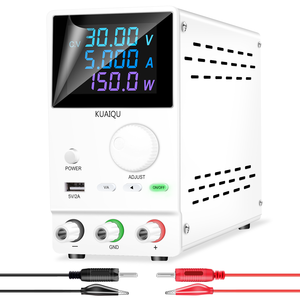
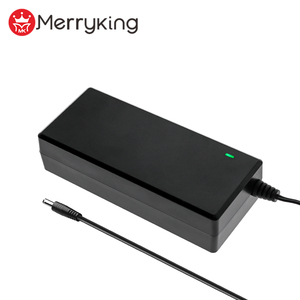
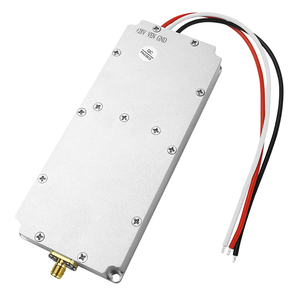
In modern industrial automation, semiconductor fabrication, medical telemetry, and military systems, raw electrical signals rarely match the precise input criteria required by advanced microcontrollers, Programmable Logic Controllers (PLCs), or data acquisition (DAQ) boards. High-frequency electrical noise, ground loops, voltage sags, common-mode interference, and extreme thermal environments continuously threaten signal integrity. This is where signal conditioners and precision power conversion modules become mission-critical components.
As a prominent hub for global electronics manufacturing, Chinese exporting enterprises have evolved from high-volume standardized suppliers to sophisticated engineering partners. A leading China Signal Conditioner Exporter does not merely assemble components; they integrate cutting-edge galvanic isolation, active thermal dissipation, advanced electromagnetic compatibility (EMC) filtering, and digital telemetry directly into compact modular hardware.
Core Takeaway for Procurement Engineering: Signal conditioning is no longer an isolated passive filtering function. Modern high-density architectures demand integrated power-and-signal conversion solutions where DC/DC transformation, transient suppression, and isolation occur simultaneously within a single certified module.
Selecting the appropriate isolation topology within a signal conditioner dictates long-term drift, dielectric withstand capability, and high-frequency noise rejection. Below is an engineering evaluation comparing the three primary isolation methodologies deployed across premier exporting platforms:
| Isolation Topology | Galvanic Withstand (Vrms) | Frequency Response | Common-Mode Transient Immunity (CMTI) | Primary Application Target |
|---|---|---|---|---|
| Optocoupler Isolation | 2,500V - 5,000V | DC to 50 MHz | 15 kV/µs to 50 kV/µs | Medical Equipment, Industrial PLCs, General Signal Isolation |
| Capacitive Isolation (Silicon Dioxide) | 3,000V - 6,000V | DC to 150+ MHz | 100 kV/µs+ | High-Speed Data Acquisition, Semiconductor Tooling |
| Magnetic Transformer Isolation | 1,500V - 3,750V | 10 kHz to 500 MHz | 35 kV/µs to 70 kV/µs | High-Power SMPS Units, Heavy Machinery, DC/DC Converters |
Next-generation signal conditioning modules and switching supplies operating in cleanrooms or hazardous industrial environments must eliminate mechanical cooling fans. Air turbulence recirculates particulates in semiconductor cleanrooms and causes early failure in dusty automation environments.
Top-tier Chinese exporters now produce ultra-dense 1U liquid-cooled power platforms capable of delivering kilowatt-class power with complete silent thermal dissipation, preserving pristine signal conversion even under 100% continuous duty cycles.
.jpg)
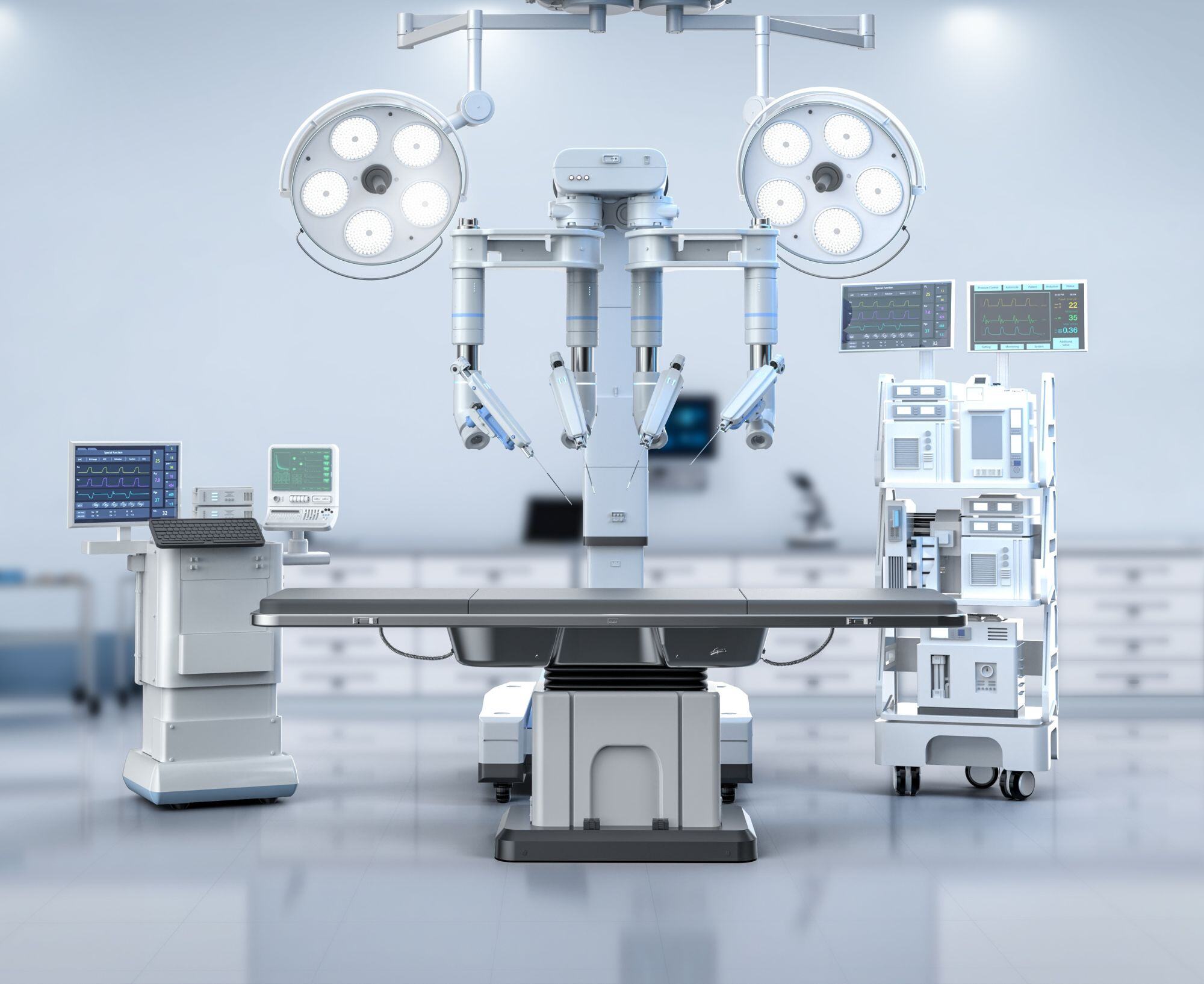
In medical imaging, surgical robotics, and patient monitoring, signal conditioners are subject to non-negotiable safety criteria. Equipment must incorporate 2×MOPP (Means of Patient Protection) insulation, maintaining ultra-low leakage currents (less than 10µA in critical patient-contact environments).
By pairing high-grade toroidal isolation transformers with low-capacitance DC switching regulators, top exporters ensure medical OEMs meet stringent EMC (IEC 60601-1-2 4th Edition) requirements on the first test cycle, eliminating costly engineering iterations.
Key shifts shaping how international procurement teams and system architects evaluate Chinese signal conditioner exporters over the next decade.
The migration from traditional Silicon MOSFETs to Gallium Nitride (GaN) and Silicon Carbide (SiC) allows signal conditioners and switching converters to operate at multi-megahertz frequencies, reducing magnetic component sizes by up to 40% while achieving over 94% power efficiency.
Smart factory environments (Industry 4.0) demand continuous diagnostics. Modern signal conditioners now incorporate I2C, PMBus, or CANopen protocols, broadcasting real-time voltage drift, temperature, and operating hours directly to central maintenance nodes.
Semiconductor fabrication lines lose millions of dollars during micro-second grid voltage sags. Export-grade industrial power signal units are increasingly pre-certified to ride through single-phase and three-phase voltage drops without dropping output regulation.
Procurement teams are shifting away from off-the-shelf discrete components toward pre-tested, fully potted OEM board assembly units (PCBA) customized with specific pinouts, protective conformal coatings, and tailored enclosure envelopes.
Passing global compliance (CISPR 32 Class B, FCC Part 15, MIL-STD-461G) requires sophisticated common-mode chokes and differential filtering embedded directly at the power entry module, reducing external component count and system failure risks.
The global electronics landscape demands a balance of high technical capability, competitive unit economics, and unyielding compliance rigor. Leading Chinese manufacturers are now structured to provide end-to-end support for custom signal conditioning projects—from initial topology modeling to full-scale automated manufacturing.
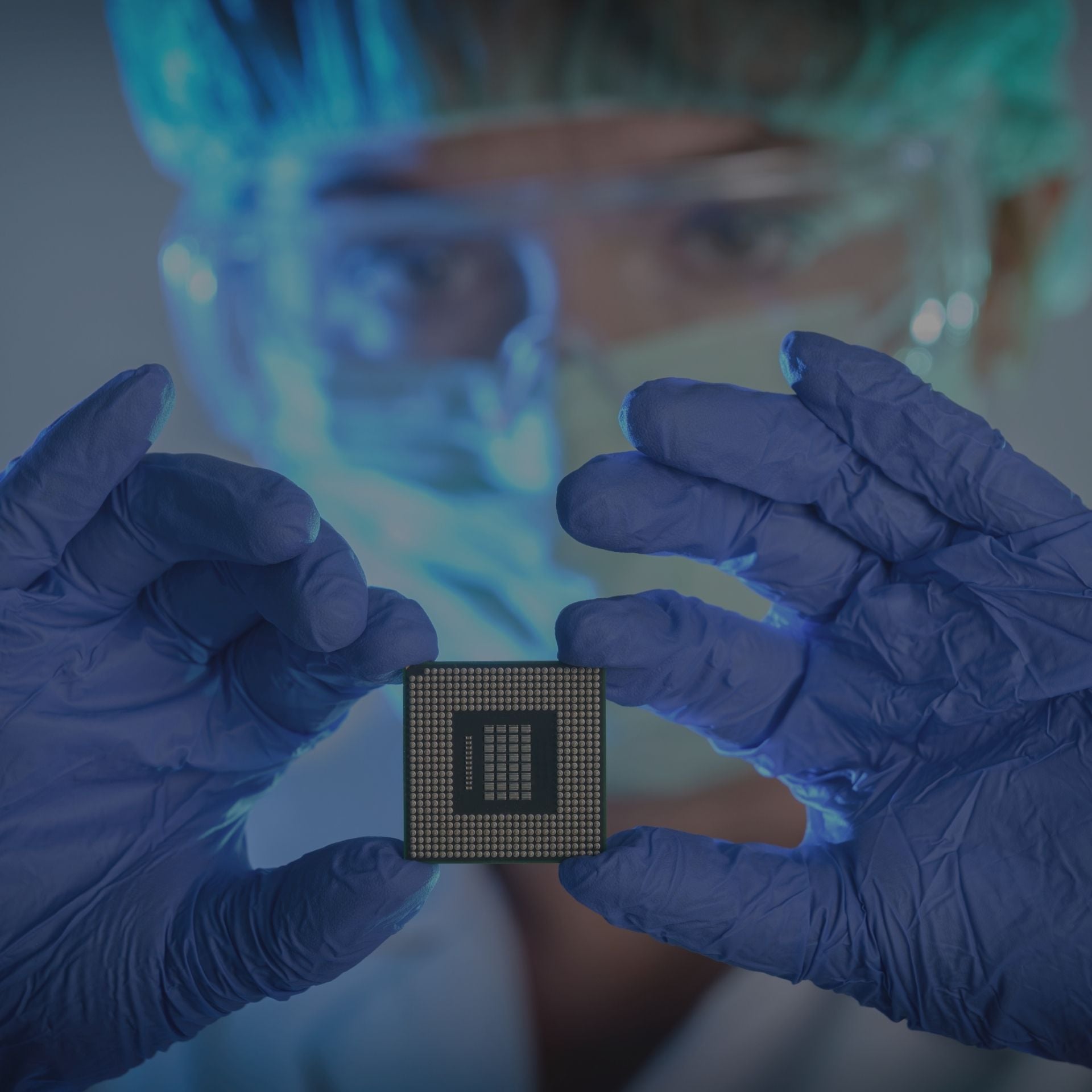
Every industrial installation has unique environmental challenges. Advanced exporters utilize fully automated burn-in chambers, environmental stress screening (ESS), electro-static discharge (ESD) simulators, and in-house Anechoic Chambers for pre-compliance testing.
By identifying harmonic distortion, thermal bottlenecks, or ground loop vulnerabilities during prototyping, lead times for final UL, CE, and ISO certification are cut in half.
Answers to critical questions asked by procurement directors, quality engineers, and system integrators.
Selection begins with establishing continuous and peak load profiles, required output stability, and insulation rating. Medical applications require strict adherence to IEC/EN 60601-1 3rd Edition with 2×MOPP (Means of Patient Protection) galvanic isolation and leakage current limits under 10µA. Additionally, ensure the power module passes IEC 60601-1-2 4th Edition electromagnetic immunity standards.
A Delta filter is designed for 3-wire three-phase electrical systems without a distributed neutral conductor. A WYE filter is engineered for 4-wire systems that carry a neutral line. Selecting the incorrect topology leaves line-to-neutral common-mode noise unfiltered, leading to immediate conducted emission failures during compliance testing.
Liquid cooling removes heat up to 10-times more efficiently than forced air, enabling compact 1U form factors while delivering kilowatt-level output. Furthermore, liquid cooling eliminates cooling fans—the primary mechanical failure point in power electronics—and eliminates air movement, making it ideal for cleanrooms, semiconductor fabs, and harsh, sealed industrial enclosures.
Leading exporters offer both. Many engineering programs utilize modified standard platforms—adjusting output voltage rails, wiring harnesses, potting compounds, or conformal coatings to save tooling costs. For specialized footprints, manufacturers execute ground-up custom designs, including magnetic winding, custom firmware development, and complete enclosure fabrication.
SEMI F47 defines the precise voltage sag duration envelope that single-phase and three-phase equipment must ride through without interrupting operation. Compliant signal conditioning power supplies store sufficient energy to maintain regulated output during brief utility sags, preventing tool aborts, sensor resets, and costly wafer scrap in semiconductor facilities.
Ground loops occur when connected equipment operates at slightly different ground potential points. Inserting a galvanic signal conditioner (using capacitive or optical isolation barriers) breaks the direct electrical path while allowing the true analog/digital signal to pass unattenuated, eliminating noise spikes and reading errors in PLCs.
