Engineered to meet rigorous medical safety (IEC 60601-1 3rd Ed.), low noise, tight voltage regulation, and robust EMI isolation required by MRI facilities, surgical suites, and industrial systems.
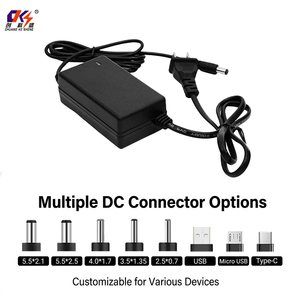
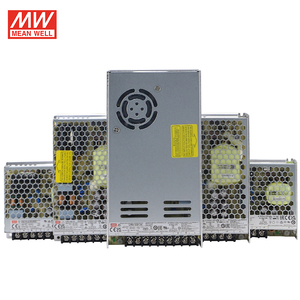
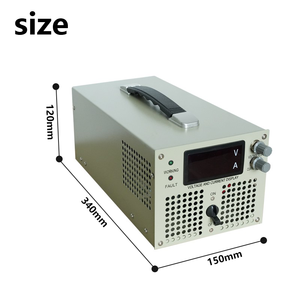
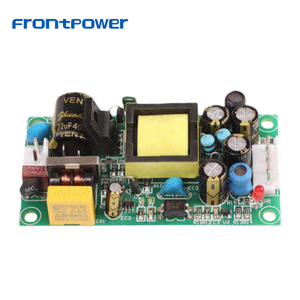
Magnetic Resonance Imaging (MRI) scanners represent one of the most demanding operational environments for electronic equipment. Operating in high magnetic field strengths—ranging from 1.5T and 3.0T to ultra-high field 7.0T research systems—requires custom OEM power supplies that deliver absolute magnetic neutrality, ultra-low electromagnetic noise, and exceptional dynamic voltage stability under intense gradient switching loads.
Leveraging over 60 years of advanced power conversion engineering, our enterprise manufacturing facilities specialize in full-lifecycle design, prototyping, and volume production of custom AC/DC power supplies, high-voltage gradient DC sources, and specialized MRI facility EMI/EMC line filters. Every unit is manufactured under audited ISO 9001:2015 and ISO 13485 medical quality management systems, ensuring unbroken supply-chain traceability, strict change management, and zero failure rates in critical clinical settings.
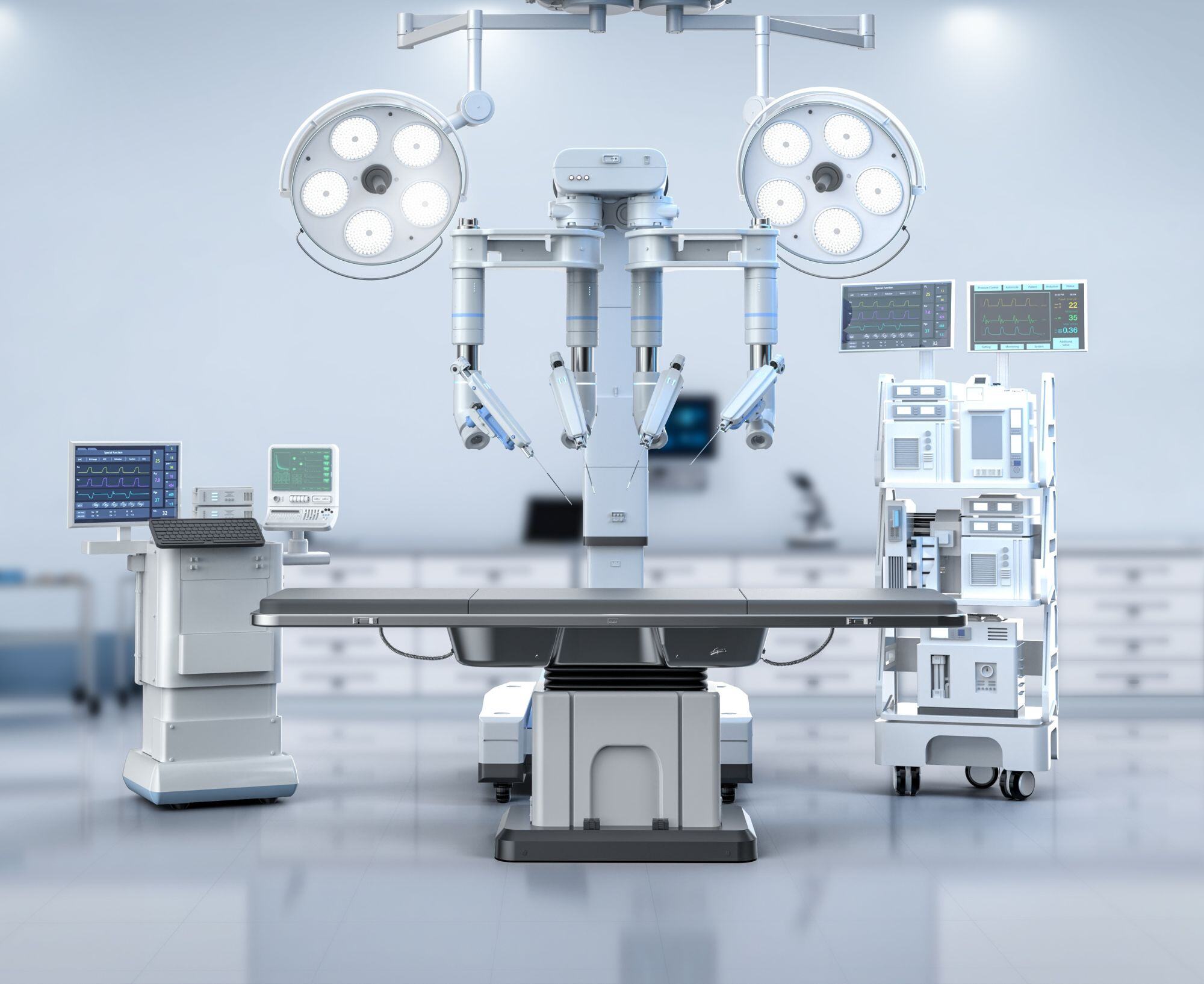
Full compliance with IEC/EN 60601-1 3rd Edition patient safety standards. Features 4000VAC isolation barrier, dual thermal fuses, and ultra-low earth leakage current (< 10μA options) for patient-contact diagnostic equipment.
Gradient amplifiers require fast slew rates and rapid power recovery during aggressive pulse sequences (EPI, DTI). Our DC power systems maintain voltage regulation within ±0.01% under 0-100% step-load changes.
Engineered with non-ferrous enclosures, non-magnetic copper/brass inductors, and specialized shielding to prevent mechanical torque forces, acoustic vibration, and image distortion inside the MRI magnet room.
The global diagnostic imaging landscape is undergoing a dramatic shift toward higher magnetic field strength, faster scan acquisition times, AI-assisted image reconstruction, and decentralized point-of-care (POC) extremity MRI suites. These technological leaps place unprecedented demands on the power conversion subsystem. Medical device Original Equipment Manufacturers (OEMs) are re-evaluating their procurement criteria to align with five dominant industry trends:
Traditional silicon MOSFET and IGBT power stages are rapidly reaching their physical limitations regarding switching frequency, thermal dissipation, and power density. The integration of Gallium Nitride (GaN) and Silicon Carbide (SiC) switches allows OEM MRI power supplies to operate at switching frequencies exceeding 1MHz. This shift reduces the size of magnetics (transformers and inductors) by up to 60%, delivering kilowatt-class power in ultra-compact 1U rack enclosures while pushing efficiency beyond 96%.
Acoustic noise and particulate contamination are major concerns in hospital MRI suites. Air-cooled power supplies relying on high-RPM internal fans generate unacceptable acoustic noise, draw dust into sensitive high-voltage electronics, and increase thermal dissipation within the cabinet. Procurement is heavily trending toward 1U liquid-cooled power platforms (such as closed-loop water/glycol cold plate systems). Liquid cooling removes 98% of waste heat directly at the junction level, completely eliminating fans, lowering failure rates, and permitting IP65-sealed dust-proof enclosures ideal for cleanroom installation.
.jpg)
Figure 1: High-Density 16.5kW 1U Liquid-Cooled Power Module for Advanced Medical & Industrial Systems.
Modern medical infrastructure demands zero unplanned downtime. Procurement specifications now mandate digital power management buses (PMBus v1.3, CANopen, or Ethernet/IP). Embedded microcontrollers within the power supply stream real-time operational telemetry—including electrolytic capacitor equivalent series resistance (ESR) degradation, MOSFET thermal stress, phase currents, and output ripple—directly to the host MRI operating system, enabling predictive maintenance alerts before a component failure interrupts a patient scan.
Voltage dips and transient brownouts from municipal grids can cause costly scan aborts, lost patient throughput, and potential software corruption in MRI gradient controllers. OEM buyers are specifying power units with extended hold-up times (>30ms at full load) and full compliance with SEMI F47 voltage sag immunity standards, ensuring uninterrupted output regulation even during severe line input voltage drops of up to 50% for 1200ms.
Comparing Legacy Power Conversion Approaches with Next-Generation Custom OEM Power Solutions.
| Performance Specification | Legacy MRI Power Units | Next-Gen Custom OEM Power Solutions | Clinical & System Advantage |
|---|---|---|---|
| Power Stage Topology | Hard-switched Silicon IGBTs / Si MOSFETs | Resonant Soft-Switched GaN / SiC Bridges | 96.5% Efficiency, 3× Power Density, Minimal Thermal Stress |
| Cooling Methodology | High-RPM Forced Air (Fan-cooled) | Direct Cold-Plate Liquid Cooled (Water/Glycol) | Zero Acoustic Fan Noise, Sealed Dust-Proof IP65 Enclosure |
| Patient Safety Isolation | 1×MOPP Basic Isolation (< 1500VAC) | 2×MOPP Reinforced Isolation (> 4000VAC) | Direct Patient Contact Safety (IEC 60601-1 3rd Ed.) |
| Earth Leakage Current | Standard Industrial (< 500μA) | Ultra-Low Medical Leakage (< 10μA - 50μA) | Eliminates Ground-Loop Interference & Electric Shock Hazard |
| RF & EMI Noise Mitigation | External Discrete Line Filters | Integrated Multi-Stage Delta/WYE EMI Filters | Exceeds CISPR 11 Class B & MIL-STD-461G Conducted Limits |
| Line Sag Ride-Through | Standard Hold-Up (10ms - 16ms) | SEMI F47 Sag Immunity (> 30ms Hold-up) | Prevents System Aborts & Scrapped Scans During Grid Voltage Dips |
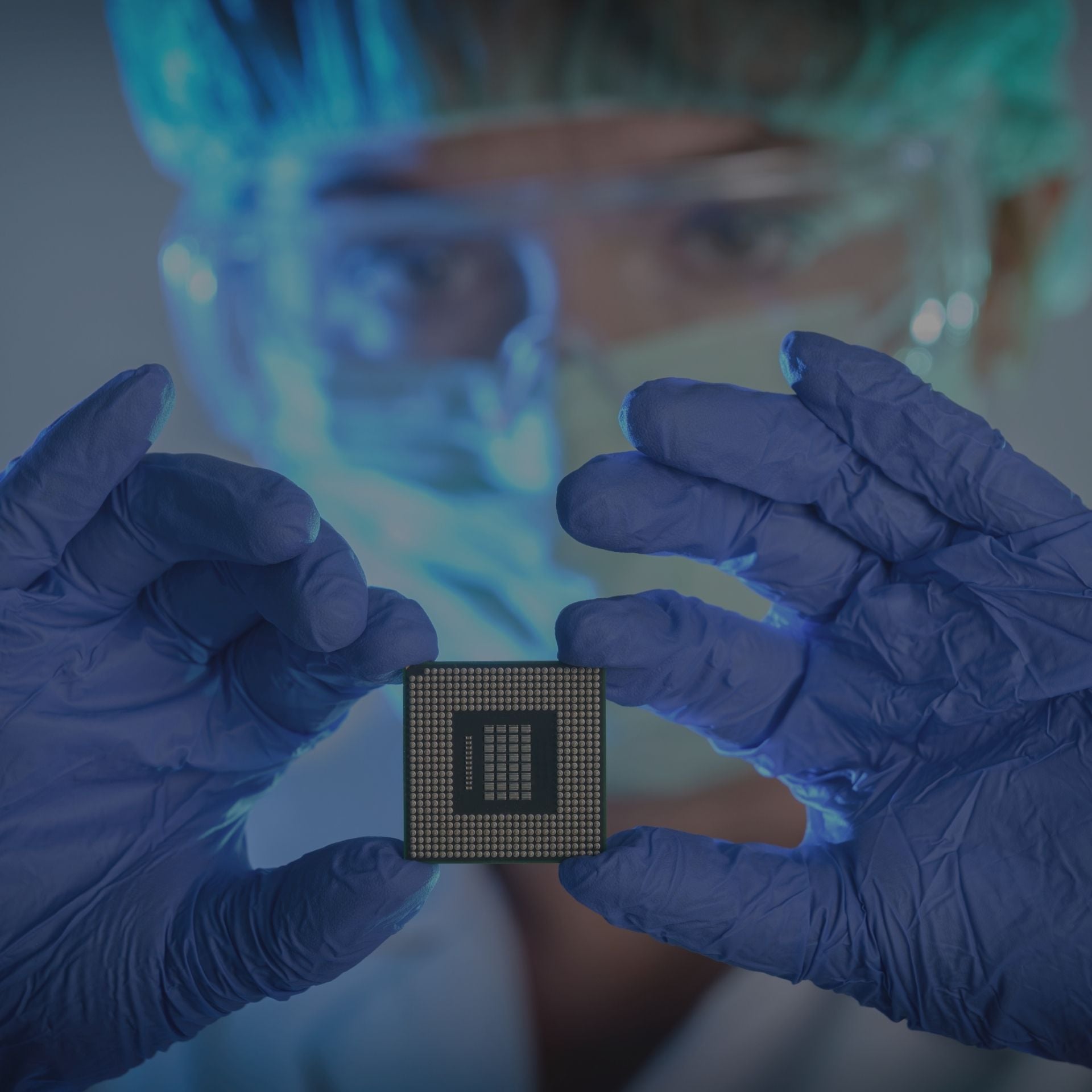
MRI rooms act as giant Faraday cages to isolate the sensitive RF receiver coils from ambient radio signals (commercial radio, cellular networks, medical telemetry). Standard power cables entering the RF room can act as antennas, broadcasting unwanted electromagnetic noise into the scanner cavity.
Our engineering division designs dedicated MRI Shielded Facility EMI Filters that provide up to 100dB attenuation from 10kHz to 10GHz. Installed directly at the RF room shield wall penetration panel, these multi-channel line filters clean incoming AC/DC power utility feeds, gradient drive lines, and ambient lighting circuits, ensuring absolute background signal purity required for high-resolution 3T and 7T imaging.
Technical solutions and procurement guidance from our application engineering specialists.
Medical power supplies built for MRI equipment must comply with IEC/EN 60601-1 3rd Edition (Safety), IEC 60601-1-2 4th Edition (EMC Collateral Standard), and possess 2×MOPP (Means of Patient Protection) isolation barriers if the end device touches or comes near the patient. Additionally, components used in North America must hold UL 60601-1 / CAN/CSA C22.2 No. 60601-1 approvals, carry CE and UKCA marks for European distribution, and conform to RoHS/REACH environmental standards.
Standard power supplies contain iron, steel, and nickel components (such as transformer cores, chassis hardware, and shielding cans) that react to strong static magnetic fields (1.5T/3.0T). This reaction causes physical torque, severe acoustic vibration, core saturation, and image artifact distortion. Our custom OEM MRI power supplies utilize non-ferrous aluminum/brass enclosures, specialized air-core or custom powdered-alloy inductors, ceramic capacitors, and non-magnetic copper hardware to remain completely inert within fringing magnetic fields.
A 3-Phase Delta filter is configured for 3-wire electrical mains without a distributed neutral conductor, attenuating line-to-line and line-to-ground noise. A 3-Phase WYE filter is designed for 4-wire systems featuring a neutral line, offering active common-mode and differential-mode noise attenuation across all three phase lines plus the neutral line. Selecting the incorrect filter topology will leave neutral-to-ground noise paths unattenuated, causing conducted emission test failures under CISPR 11 Class B.
High leakage currents returning through the protective earth ground wire can pose lethal cardiac micro-shock risks to patients connected to diagnostic or interventional equipment. IEC 60601-1 limits normal earth leakage current to less than 500μA (and under 10μA for cardiac floating Type CF equipment). Our custom medical power supplies employ low-capacitance isolation transformers and active common-mode noise cancellation to keep leakage currents well below regulatory limits.
Yes. Many OEM projects begin as a Modified Standard platform. We can alter standard output voltage rails, add custom wiring harnesses/connectors, apply conformal coating or silicone potting for harsh environments, re-configure mechanical mounting plates, or tailor digital control firmware (PMBus/CAN) to match your host system architecture. Modified standard platforms significantly reduce NRE (Non-Recurring Engineering) costs and accelerate time-to-market compared to ground-up custom designs.
Depending on your equipment cabinet layout and ambient acoustic requirements, we provide: 1) Convection cooling with optimized heatsink fins; 2) Conduction cooling via a baseplate bonded to your equipment frame; 3) Forced-air cooling with variable-speed long-life fans; and 4) Direct Liquid Cooling utilizing internal micro-channel cold plates connected to facility chillers (water/glycol loops).
SEMI F47 is an international standard defining voltage sag immunity curves. Compliant power supplies must withstand short-duration voltage sags—such as a 50% drop in line voltage for up to 200 milliseconds—without dropping their regulated DC output. Incorporating SEMI F47 immunity prevents medical scanners from aborting imaging sequences mid-scan during utility grid fluctuations, protecting patient safety and maximizing clinical equipment uptime.
Partnering with us grants medical equipment OEMs access to world-class manufacturing plants equipped with automated surface-mount technology (SMT), automated optical inspection (AOI), high-pot isolation testers, and in-house EMC pre-compliance test chambers. Our design verification testing (DVT) ensures every system withstands thermal shock, vibration, operational altitude, and electrical fast transients (EFT).
Submit your mechanical envelope, electrical voltage/current rails, thermal budget, and target regulatory standards directly to our application engineering team.
Send an InquiryOur application engineers review your full system architecture—including topology, EMC filtering margin, isolation class, and thermal derating—before you lock down your mechanical design.
