In modern high-precision industrial automation, semiconductor fabrication, telecommunications, and mission-critical equipment, power supply units (PSUs) are no longer passive commodity components. They serve as the foundational bedrock determining system MTBF (Mean Time Between Failures), electrical safety, electromagnetic compatibility (EMC), and operational energy efficiency. Selecting an industrial power supply supplier requires detailed evaluation of power density, thermal dissipation topologies, wide bandgap (GaN/SiC) integration, line sag immunity (SEMI F47), and regulatory frameworks such as IEC/EN 62368-1 and IEC 60601-1 4th Edition.
Explore eight engineered power supply architectures designed for heavy-duty industrial automation, surveillance networks, regulated benchtesting, high-voltage switching, and OEM PCB integration.
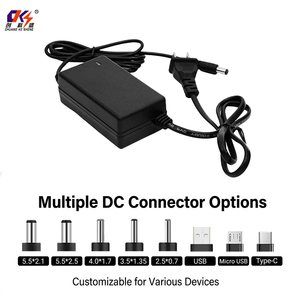
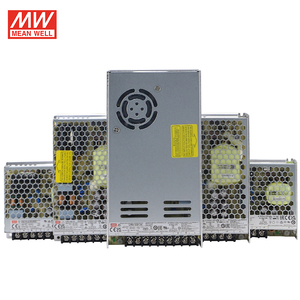
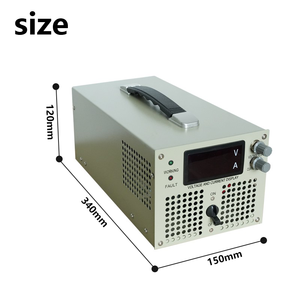
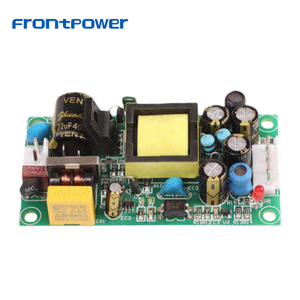
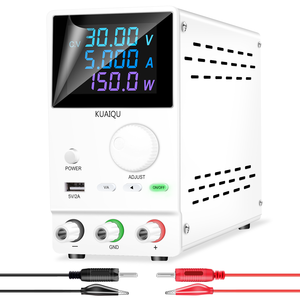
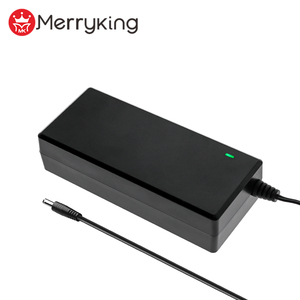
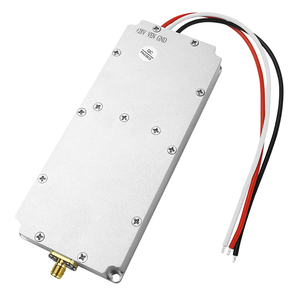
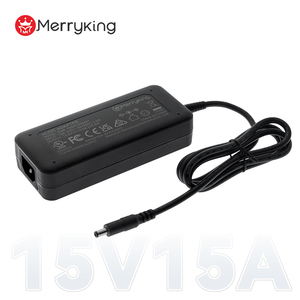
Selecting an OEM supplier requires analyzing engineering heritage, quality certifications, customization bandwidth, and technological specializations. The table below evaluates the global industry leaders shaping industrial power architectures.
| Manufacturer / Supplier | Primary Market Focus | Core Power Technologies | Key Certifications | Customization & Engineering Capability |
|---|---|---|---|---|
| Astrodyne TDI | Medical, Semiconductor, Military, Heavy Industrial | Liquid-Cooled 1U Systems, SEMI F47 PSUs, EMI Filters, Isolation Transformers | ISO 9001:2015, ISO 13485, MIL-STD-461, IEC 60601-1 3rd/4th Ed | High — Custom Engineering, Modified Standard Platforms, Turnkey Subsystems |
| Mean Well | General Industrial, LED Drivers, Automation, Standard Enclosed | DIN-Rail PSUs, Enclosed SMPS, Modular Power, Open Frame Units | ISO 9001, UL 62368-1, CE, CB, CCC, EAC | Medium — Wide Standard Catalog Range, Limited Ground-Up Custom Engineering |
| TDK-Lambda | Industrial Equipment, Test & Measurement, Healthcare | Programmable Power, AC/DC Converters, High Density DC/DC Modules | ISO 9001, ISO 13485, UL 60601-1, IEC 62368-1 | High — Standard Modified and Custom Power Subsystems |
| Delta Electronics | Telecom Infrastructure, Data Center, Industrial Automation, EV Charging | Ultra-High Efficiency Rectifiers, DIN Rail Supplies, Board Mount DC/DC | ISO 9001, ISO 14001, IATF 16949, UL/cUL | High — Large Scale OEM Contract Manufacturing & Custom R&D |
| Advanced Energy | Semiconductor Manufacturing, Industrial Coatings, Medical Devices | High Voltage Power Supplies, Electrostatic Chuck PSUs, RF Generators | ISO 9001, SEMI F47, IEC 60601-1, UL Safety Standards | High — Precision Custom High-Voltage & Semiconductor Process Power |
| XP Power | Healthcare, Technology, Industrial Control, Defense | Ultra-Compact AC/DC Supplies, High Voltage DC/DC, EMI Filtering Modules | ISO 9001, ISO 13485, IEC 60601-1, Defense Standards | Medium-High — Modular Customization and Standard Platforms |
| Siemens (SITOP) | Factory Automation, Process Industries, Machinery Engineering | Industrial DIN-Rail Power Units, Uninterruptible Power Supplies (UPS) | ISO 9001, CE, UL 508, ATEX / IECEx HazLoc Certifications | Low-Medium — Standardized System Integration Solutions |
| Murata Power Solutions | Computing, Communications, Industrial Measurement | Board Mount DC/DC Converters, Digital Power Controllers, AC/DC Modules | ISO 9001, ISO 14001, UL/EN Standards | Medium — High Volume OEM Custom Modules |
| Bel Power Solutions | E-Mobility, Data Infrastructure, Industrial Machinery | Bi-Directional Inverters, Heavy Duty DC/DC Converters, Front-End Rectifiers | ISO 9001, IATF 16949, Railway/Industrial Certifications | High — Custom Transportation & Heavy Industrial Solutions |
| Phoenix Contact | Control Cabinet Engineering, Process Automation, Infrastructure | TRIO & QUINT DIN-Rail Power Supplies, DC-UPS Systems, Diode Redundancy | ISO 9001, UL Listed, Maritime & Class I Div 2 Hazardous Location | Low-Medium — Modular DIN Rail System Solutions |
While standard catalog power supplies (such as desktop adapters or generic DIN-rail units) lower initial NRE (Non-Recurring Engineering) expenses, mission-critical applications—including semiconductor tools, MRI suites, and military defense systems—frequently require modified standard platforms or ground-up custom designs. Customization mitigates system-level EMI failures, integrates liquid cooling, and ensures long-term component availability (10+ year product lifecycle stability).
System architects and procurement managers must align sourcing strategies with emerging technological shifts in power electronics. Key developments driving power supply specs include wide bandgap semiconductors, liquid thermal management, digital telemetry, and line stability standards.
Gallium Nitride (GaN) and Silicon Carbide (SiC) power switches are rapidly replacing traditional Silicon MOSFETs. WBG devices operate at significantly higher switching frequencies with lower switching losses, enabling power supplies to achieve >96% conversion efficiency and dramatic reduction in magnetics footprint (yielding up to 50W/in³ power density).
In semiconductor fabrication plants, line voltage sags account for millions of dollars in lost wafer yields. Modern industrial power supplies destined for fab capital equipment are built with extended hold-up times and specialized energy storage topologies to ride through line sags down to 50% voltage for up to 1000ms without output interruption.
Air cooling reaches physical limits in high-power applications (>10kW per rack) and cleanroom environments sensitive to fan noise and particulate contamination. Liquid-cooled power modules (such as Astrodyne TDI’s LiquaBlade™) remove 95%+ of heat via integrated coolant plates, facilitating 16.5kW power delivery within a compact 1U form factor.
Analog-controlled power units are giving way to digital control loops utilizing DSPs and PMBus / CANbus protocols. Sourcing teams prioritize intelligent supplies that communicate real-time operational telemetry—including voltage rail degradation, ambient operating temperature, output current draw, and predictive maintenance alerts.
With the convergence of robotics, healthcare devices, and smart industrial automation, power supply certification requirements are merging. PSUs must satisfy dual standards: IEC/EN 62368-1 for IT/Industrial equipment and IEC 60601-1 3rd/4th Edition (with 2xMOPP isolation and microampere-level leakage current limits) for medical contact safety.
Procurement teams evaluate power supplies over an extended 10-year lifecycle. High efficiency (>94%) drastically reduces facility HVAC cooling expenses, while modular rack-mount designs (hot-swappable N+1 redundant power modules) eliminate costly system downtime during maintenance or load expansion.
Developing high-reliability power systems requires rigorous validation, specialized electromagnetic filtering, and custom engineering support from prototype to mass production.
.jpg)
Industrial processes in semiconductor, defense, and heavy chemical sectors require immense DC power within constrained mechanical envelopes. Traditional fan cooling introduces air contaminants, noise, and mechanical failure points.
By integrating direct-to-plate liquid cooling, advanced platforms maintain low component temperatures under 100% continuous duty cycle, delivering maximum MTBF and high power density without atmospheric exchange.
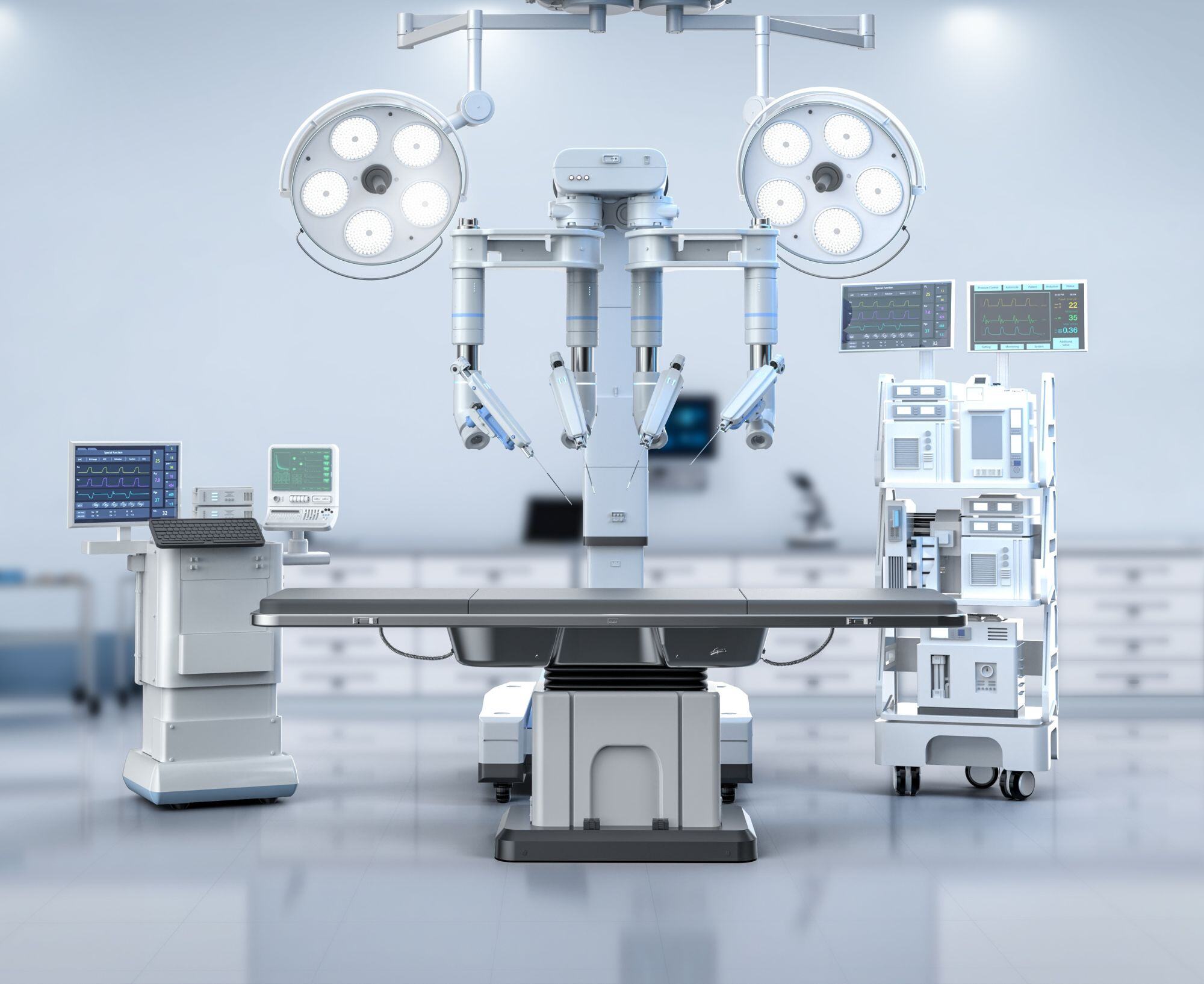
Deploying power electronics in patient-adjacent surgical systems, diagnostic imaging (MRI/CT), and clinical laboratory devices requires zero compromise on electrical isolation and electromagnetic immunity.
With 2xMOPP (Means of Patient Protection) reinforced insulation, extremely low earth leakage current (<100µA), and compliance with IEC 60601-1-2 4th Edition immunity requirements, engineered medical PSUs accelerate agency certification and protect end-users.
In-depth technical answers addressing critical specification challenges encountered by power electronics engineers, procurement directors, and system integrators.
Selecting an AC/DC power supply requires evaluating load characteristics (continuous vs. peak wattage), voltage regulation limits, thermal cooling constraints, and safety framework standards. Industrial applications prioritize IEC/EN 62368-1 compliance, wide operating temperature range (-40°C to +70°C), transient surge protection, and robust mechanical construction. Medical applications require compliance with IEC 60601-1 3rd/4th Edition, offering 2xMOPP (Means of Patient Protection) primary-to-secondary isolation (4000V AC isolation test), low touch/earth leakage current (often <100µA to prevent micro-shocks), and enhanced immunity against radiated electromagnetic fields (IEC 60601-1-2).
The distinction lies in the system configuration and line-to-neutral filtering: A Delta EMI Filter is engineered for three-wire three-phase systems without a distributed neutral wire. It primarily mitigates phase-to-phase differential mode noise and phase-to-ground common mode noise. A WYE EMI Filter is designed for four-wire three-phase systems carrying a neutral conductor. WYE filters incorporate specialized line-to-neutral filtering elements and must utilize neutral components rated for harmonic currents. Installing a Delta filter on a WYE line with neutral loads leaves phase-to-neutral noise unattenuated, risking EMI test failures under CISPR 11 / FCC Class A rules.
SEMI F47 defines the minimum voltage-sag ride-through capability required for semiconductor processing equipment. Utility grid disturbances often cause input AC voltage to dip momentarily to 50% or 70% of nominal voltage for durations ranging from 50ms to 1000ms. A SEMI F47 compliant power supply maintains fully regulated output DC voltages during these line sags. Non-compliant power supplies experience DC bus undervoltage tripping, causing tool aborts, damaged silicon wafers, and costly chamber re-qualification downtime.
Liquid cooling provides up to 4x higher thermal conductivity than forced air, enabling extreme power density (e.g., 16.5kW in a 1U chassis). Eliminating fans removes the primary mechanical point of failure in power supplies, increases reliability in harsh or airborne dust environments, eliminates acoustic noise, and prevents thermal recirculation in sealed cabinets. Furthermore, liquid cooling is mandatory in semiconductor cleanrooms and pharmaceutical facilities where fan airflow creates undesirable particulate movement.
Active PFC shapes the input AC current waveform to match the phase of the AC input voltage, raising the power factor from ~0.65 (typical of uncorrected diode bridge rectifiers) to >0.98. High PFC reduces Total Harmonic Distortion (THD) on the incoming AC mains (complying with EN 61000-3-2), lowers RMS input current for the same delivered DC power, prevents overheating of facility distribution wiring and transformers, and eliminates utility penalties levied on industrial plants for poor power factor operation.
Yes. Many leading OEMs leverage Modified Standard programs. Instead of investing 12–18 months in a ground-up custom design, manufacturers start with a pre-certified base topology and modify specific parameters: altering output voltage setpoints, adding conformal coating/potting for high humidity, customizing wire harnesses and connectors, reconfiguring mechanical mounting brackets, or adjusting control firmware for specialized digital telemetry. This drastically reduces development costs and shortens time-to-market.
Consult directly with our senior application engineers to review system schematics, thermal modeling, EMI filtering requirements, or request custom samples tailored to your exact mechanical and electrical specifications.
Send an Inquiry