As Australia accelerates its transition toward decentralized energy grids, heavy electrification, and automated mining ecosystems, the demand for high-capacity, high-precision programmable electronic load banks has reached unprecedented levels. Operating equipment across the Australian continent presents unique operational challenges—ranging from severe ambient heat in outback Western Australia to stringent grid-connection codes mandated by the Australian Energy Market Operator (AEMO).
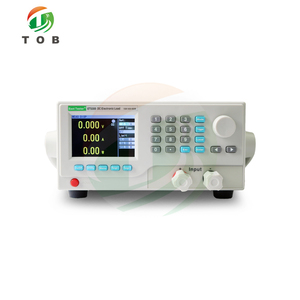
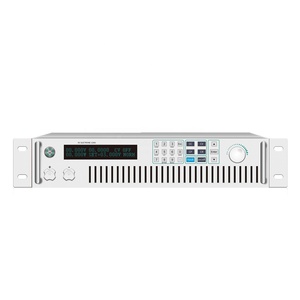
Australia boasts some of the world's largest Battery Energy Storage Systems (BESS) and utility-scale solar farms across Queensland, New South Wales, and South Australia. High-power DC regenerative loads (50kW to 500kW+) simulate dynamic grid disturbances, verifying solar inverter anti-islanding protection and reactive power compensation under AS/NZS 4777.2 grid standards.
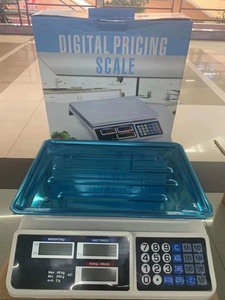
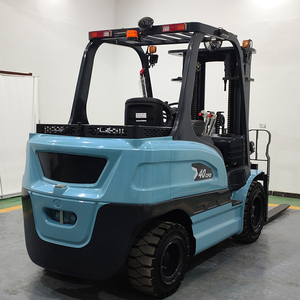
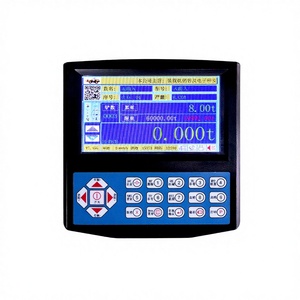
In the Pilbara and Bowen Basin, mining operators are replacing diesel fleets with ultra-heavy electric haul trucks and battery-electric excavators. Dynamic onboard load cells, wheel loader electronic scales, and DC electronic load banks ensure that regenerative braking power circuits, high-voltage battery modules, and heavy DC-DC converters endure intense vibration and rapid load fluctuations.
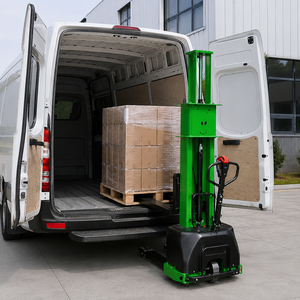
With major logistics hubs in Melbourne, Sydney, and Brisbane deploying electric delivery van fleets and self-loading electric stackers, high-power DC fast-charging stations (DCFC) require continuous burn-in testing. AC/DC programmable loads validate charger output regulation, thermal handling, and harmonic distortion under real-world duty cycles.
The Australian industrial power ecosystem is undergoing structural changes driven by net-zero mandates, extreme environmental conditions, and rigorous safety regulatory oversight. Buying decision-makers and system engineers must account for several critical regional factors:
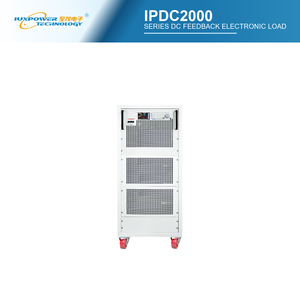
Traditional air-cooled resistive load banks convert 100% of tested electrical energy into wasted heat, creating massive HVAC energy costs and carbon overhead. Australian facilities are rapidly transitioning to Regenerative DC Electronic Loads (e.g., IPDC2000 Series), which invert captured energy back into the local 415V 3-phase building grid with energy recovery efficiency exceeding 95%. This drastically reduces operational expenditures for high-power burn-in facilities in VIC and NSW.
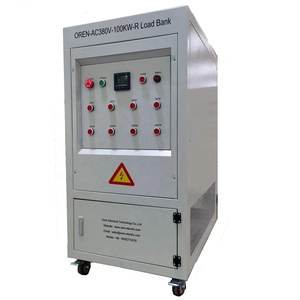
Industrial testing setups installed in remote mining enclosures or outdoor solar substations face ambient summer temperatures exceeding 45°C. Air-cooled loads rapidly derate or trigger thermal shutdowns under these conditions. Closed-loop liquid-cooled power loads remove heat directly at the semiconductor junction, maintaining 100% full-rated power capacity without drawing dusty ambient air into sensitive electronic chassis.
Six decades of continuous electrical engineering innovation, stringent quality frameworks, and dedicated custom solution authority.
Full-traceability quality control frameworks ensure every unit complies with industrial, defense, and medical-grade manufacturing safety protocols.
Topology, control algorithms, transformer magnetics, and firmware are developed entirely in-house for seamless modifications and long-term supply stability.
Pre-qualification for EMI/EMC compliance (CISPR 11/32, MIL-STD-461) and sag immunity (SEMI F47) minimizes risk during final accreditation.
Every single power unit, programmable load, and weighing controller undergoes rigorous full-load functional testing before dispatch.
Clear, direct answers regarding grid compatibility, AS/NZS compliance, import logistics, and custom load bank engineering.
Speak directly with our senior application engineers to analyze load profiles, select optimal cooling configurations, and receive factory-direct quote packages tailored to Australian grid standards.
Inquire Now