60+ Years of Power Engineering  ·  ISO 9001:2015 & ISO 13485 Certified Manufacturing

Class I Div 2, ATEX & IECEx Power Solutions

Ruggedized Hazloc Power Supplies for Mission-Critical Systems

Engineered for extreme thermal shock, corrosive gas environments, severe vibration, and explosive atmospheres. Certified power conversion backed by over 60 years of innovation.

LiquaBlade™ HazLoc Integration

Liquid-Cooled Power for Hazardous Enclosures

16.5 kW of high-density power in a 1U chassis. Sealed conduction and liquid cooling remove ignition risks associated with mechanical cooling fans.

Custom Magnetics & Potting

Encapsulated & Hermetically Sealed Architecture

Designed to withstand hydrogen sulfide, salt fog, and continuous mechanical shock under MIL-STD-810H and HazLoc standard requirements.

60+Years Power Expertise
HAZLOCClass I Div 2 / ATEX Zone 2
100%Burn-in & Functional Test
ISO 9001& ISO 13485 Facilities

Engineering Blueprint & Technical Authority

What Engineers & Procurement Teams Must Know About Ruggedized Hazloc Power Supplies

Operating power electronics in hazardous locations (HazLoc) demands absolute elimination of electrical arc ignition, thermal hot spots, and insulation breakdown. Whether your facility operates under North American Class I Division 2 (NEC 500/505) or International ATEX/IECEx Zone 2 regulations, selecting an engineered power architecture requires an in-depth evaluation of thermal dissipation, seal integrity, and electromagnetic compatibility.

Non-Incendive Architecture & Thermal Ignition Protection

In explosive gas environments (Groups A, B, C, D) or flammable vapor locations, standard power supplies introduce multiple ignition vectors: relay arcing, electrolytic capacitor venting, transformer insulation breakdown, and semiconductor thermal spikes. Ruggedized Hazloc Power Supplies engineered by Astrodyne TDI solve these failure modes by employing non-incendive topologies, solid-state switching, and hermetic component potting.

Our engineering teams design power conversion systems where maximum component surface temperatures (T-ratings T4, T5, or T6) remain strictly below the auto-ignition temperature of atmospheric gas mixtures. By pairing conformal coatings with silicone/polyurethane potting compounds, active switching components are isolated from corrosive agents such as Hydrogen Sulfide ($H_2S$), Chlorine, and ammonia while eliminating air voids where explosive gas could accumulate.

  • Class I Division 2, Groups A, B, C, D & ATEX / IECEx Zone 2 Ex ec IIC ratings.
  • Wide operational ambient temperature window: -40°C to +85°C without thermal derating.
  • MIL-STD-810H environmental hardening against 40G mechanical shock and 500Hz random vibration.
  • Galvanic isolation up to 4000VAC with reinforced insulation systems for low leakage performance.

Send an Inquiry

Ruggedized Hazloc AC DC Power Supply Unit by Astrodyne TDI

Product Portfolio

Featured Ruggedized Hazloc Power Conversion Platforms

Explore standard, modified, and custom power conversion solutions designed for continuous, high-reliability operation in harsh, moist, and hazardous industrial locations.

HazLoc AC/DC Power Supply icon

HazLoc AC/DC Power Supplies

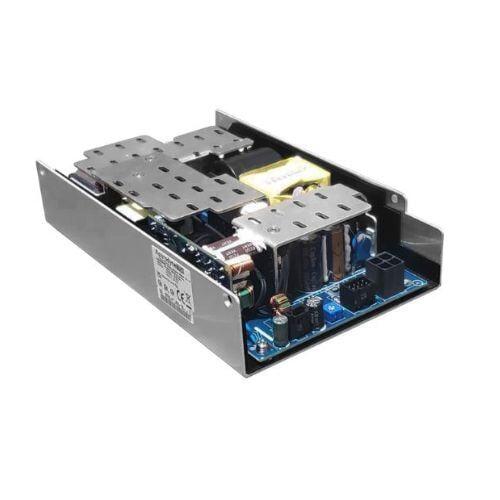
High-efficiency universal AC input converters featuring active PFC, Class I Div 2 compliance, potted magnetics, and robust over-voltage protection for industrial automation cabinets in hazardous areas.

Send an Inquiry

Hazloc Potted AC/DC Power Supply Unit
Harsh Environment DC/DC Converter icon

Ruggedized DC/DC Converters

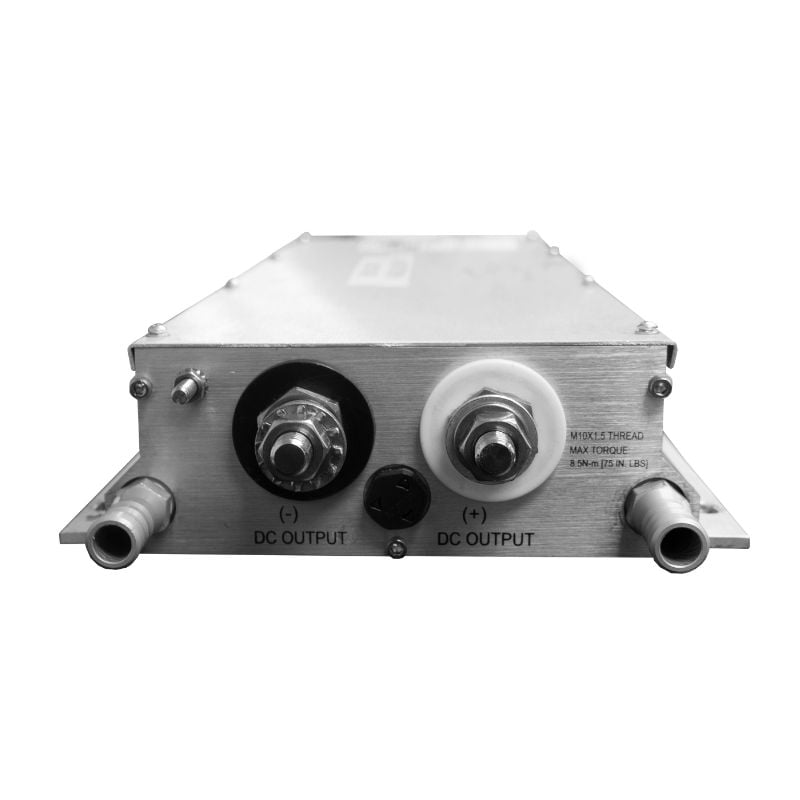
Wide input voltage range DC/DC conversion units with complete galvanic isolation, conduction cooling plates, and IP67 sealed enclosures for mobile, battery-fed, or remote HazLoc monitoring equipment.

Send an Inquiry

Ruggedized DC/DC Converter for Harsh Environments
HazLoc EMI EMC Filter icon

HazLoc EMI/EMC Power Line Filters

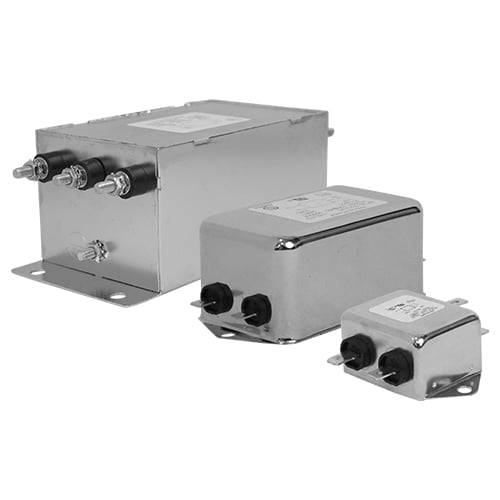
Single-phase and three-phase Delta/WYE EMI noise suppressors engineered to prevent conducted ignition interference and keep heavy industrial equipment compliant with CISPR, FCC, and MIL-STD limits.

Send an Inquiry

Industrial EMI Filters for Explosive Environments
Liquid Cooled HazLoc Power Supply icon

LiquaBlade™ Liquid-Cooled Systems

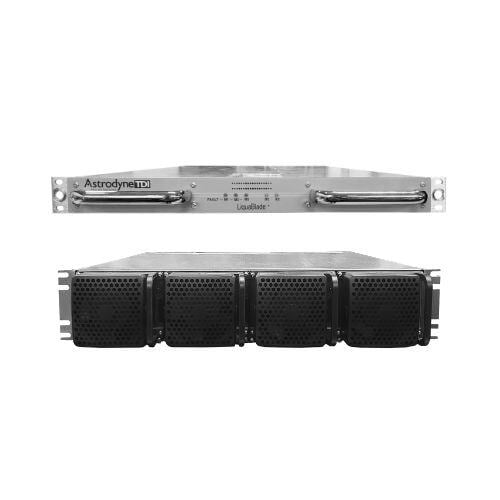
16.5kW 1U high-density liquid-cooled power platform. Eliminates cooling fans entirely, allowing complete integration into sealed, purged, or flameproof enclosures without derating.

Send an Inquiry

Liquid Cooled High Power HazLoc Power Supply
Industrial HazLoc UPS icon

Industrial & HazLoc UPS Platforms

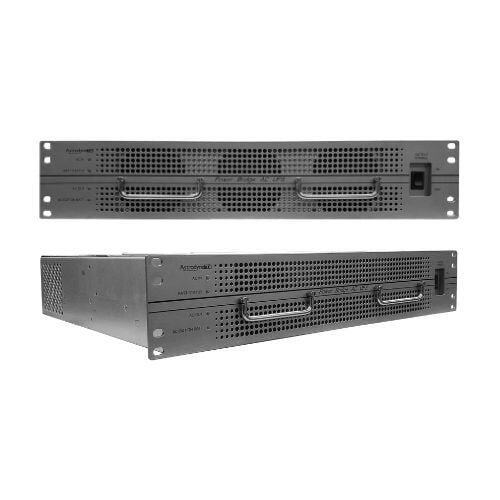
Uninterruptible power supplies designed for harsh operational environments, maintaining critical safety sensors, emergency shutoff valves, and telemetry during primary AC grid failure.

Send an Inquiry

Uninterruptible Power Systems for Industrial Process Safety
Custom HazLoc Power Engineering icon

Custom HazLoc Power Engineering

Tailored topologies, custom mechanical form factors, specialized potting, and integrated PDU/filter assemblies engineered to meet your exact space envelope and certification specs.

Send an Inquiry

Custom Engineered HazLoc Power Conversion Platform
LiquaBlade Liquid-Cooled Power Supply for Hazardous Enclosures

Advanced Thermal Architecture

LiquaBlade™: 16.5 kW Liquid-Cooled Power Redefined

In hazardous locations where ambient dust, volatile gases, or strict IP sealing prevents the use of open air fans, traditional power supplies suffer severe thermal derating. The LiquaBlade™ liquid-cooled platform solves this thermal bottleneck by utilizing internal liquid cold-plates to transfer heat directly out of the sealed enclosure.

  • 16.5 kW total power output in a compact 1U form factor rack package.
  • Eliminates internal cooling fans—removing ignition sparks and fan mechanical failure points.
  • Full digital control via PMBus / CANbus for telemetry and predictive maintenance in Class I Div 2 installations.

Send an Inquiry

SEMI F47 Grid Voltage Sag Protection for Chemical Fabs

Grid Immunity & Reliability

SEMI F47 Voltage Sag Ride-Through Immunity

Unplanned power interruptions inside petrochemical refineries, chemical processing plants, or semiconductor manufacturing fabs can trigger catastrophic process aborts and safety shutdowns. Astrodyne TDI’s HazLoc power systems comply with SEMI F47 standards, maintaining stable DC output regulation during severe AC grid voltage sags.

  • Continuous, regulated output during single-phase line sags down to 50% rated voltage.
  • Protects critical safety telemetry, actuators, and PLC control systems in hazardous zones.
  • Extended hold-up capacitor banks engineered for high-temperature durability.

Send an Inquiry

Strategic Market Intelligence

Future Procurement & Technology Trends in HazLoc Power Systems

As global industrial processing, hydrogen production, oil & gas extraction, and automated manufacturing evolve, the requirements for hazardous location power supplies are undergoing a major shift. Enterprise buyers must align procurement strategies with these core emerging trends:

1. Migration to Wide Bandgap Semiconductors (SiC & GaN)

Modern HazLoc power systems are rapidly adopting Silicon Carbide (SiC) and Gallium Nitride (GaN) switching topologies. WBG components operate at significantly higher frequencies and temperatures with minimal switching losses, reducing passive component sizes, lowering thermal dissipation inside sealed enclosures, and improving overall system efficiency beyond 96%.

2. Transition to Liquid-Cooled & Sealed Conduction Architectures

To meet aggressive dust, moisture, and explosion-proofing standards (NEMA 4X, IP67/68), procurement is moving away from forced-air cooled power modules. Sealed conduction cooling and closed-loop liquid cooling platforms (such as LiquaBlade™) allow high-kilowatt power conversion to operate safely inside completely air-tight HazLoc enclosures without air exchange.

3. Smart Telemetry & Predictive AI Maintenance Protocols

Future-proof HazLoc infrastructure mandates real-time health monitoring over PMBus, CANopen, or Modbus TCP. Procurement teams are specifying power supplies equipped with smart internal sensors that track temperature trends, capacitor ripple currents, and input line quality, sending predictive alert signals to SCADA platforms prior to failure.

4. Global Harmonization of Safety Standards (ATEX / IECEx / NEC)

Global OEMs demand single-part-number power conversion solutions that carry dual Class I Division 2 (North America) and ATEX/IECEx Zone 2 (Europe/International) certifications. Streamlining cross-regional certification cuts inventory overhead and shortens time-to-market for equipment integrators expanding into international markets.

Why Global Procurement Leaders Choose Astrodyne TDI

60+ Years of Engineering Excellence & Manufacturing Rigor

A spec sheet only reveals nominal operational metrics. Real-world hazardous location programs succeed or fail based on thermal margin inside sealed cabinets, long-term insulation stability against atmospheric contaminants, and continuous vendor support over multi-decade equipment lifecycles.

Founded in 1959, Astrodyne TDI has developed proprietary magnetics, high-density topologies, and specialized encapsulation techniques trusted by top Tier-1 industrial, defense, medical, and semiconductor OEMs worldwide.

Send an Inquiry About Our Company

In-House Design & Test

Proprietary transformer design, thermal modeling, and pre-compliance EMC testing labs.

Certified Quality

ISO 9001:2015 and ISO 13485 certified facilities with full component lot traceability.

100% Functional Test

Every unit undergoes full thermal stress burn-in and automated safety testing prior to shipment.

Lifecycle Support

Long-life product availability commitment to protect OEM systems from component obsolescence.

Industry Applications

Where Ruggedized Hazloc Power Supplies Are Deployed

From offshore oil platforms to hydrogen refueling stations, our power systems provide clean, uninterrupted DC power in environments where ordinary electronics cannot survive.

Oil and Gas HazLoc Applications

Oil, Gas & Energy

Downhole drilling instrumentation, refinery control racks, and offshore platform power distribution systems.

Chemical Processing HazLoc Applications

Chemical Processing

Corrosive environment control panels, volatile fluid pumps, and toxic gas detection telemetry.

Military Tactical HazLoc Applications

Defense & Tactical

MIL-STD-810H and MIL-STD-461G compliant ground shelters, fuel handling systems, and naval power racks.

Clean Hydrogen & Gas Production

Hydrogen & Clean Fuel

High-pressure hydrogen compression equipment, electrolyzer control racks, and dispense telemetry.

Heavy Automation Enclosures

Heavy Industrial

Dust-heavy grain handling, mining conveyor controls, and automated paint spraying booths.

Send an Inquiry

Technical Procurement FAQ

Frequently Asked Questions on Ruggedized Hazloc Power Supplies

Detailed engineering answers addressing high-intent inquiries submitted by system integrators, compliance officers, and procurement engineers.

Class I Division 2 (under North American NEC 500 standards) covers environments where flammable gases, vapors, or liquids are handled, processed, or used, but are normally confined within closed containers or systems and can escape only in case of accidental rupture, breakdown, or abnormal operation. In contrast, ATEX Zone 2 (EU Directive 2014/34/EU) and IECEx Zone 2 (International) define locations where an explosive gas atmosphere is not likely to occur in normal operation and, if it occurs, will exist for a short period only.

To qualify power supplies for these areas, manufacturers must eliminate potential ignition sources. This involves using non-sparking components (such as solid-state relays instead of mechanical relays), hermetically sealing or potting active semiconductor switches, maintaining strict surface temperature limits (T-Ratings T1–T6), and verifying creepage/clearance distances under UL 121201 and EN/IEC 60079-7. Astrodyne TDI engineers HazLoc platforms to dual-certify across both North American and ATEX/IECEx frameworks, facilitating smooth global deployment for equipment OEMs.

Hermetic encapsulation involves completely casting active power electronics inside a high-performance thermosetting polymer resin, such as thermally conductive polyurethane or silicone. This potting process creates an impenetrable physical barrier that accomplishes three critical engineering objectives:

  • Atmospheric Isolation: Prevents explosive gases, moisture (IP67/IP68 rating), and corrosive chemical agents (such as Hydrogen Sulfide $H_2S$, sulfur dioxide, and salt spray) from contacting high-voltage electrical nodes, thereby eliminating ignition risks and corrosion-induced trace failures.
  • Thermal Management: Void-free potting materials possess higher thermal conductivity than ambient air, efficiently transferring heat from internal MOSFETs, diodes, and planar magnetics directly to the metallic outer chassis or cooling plate, preventing localized thermal hot-spots.
  • Mechanical Hardening: Encapsulated components are completely immobilized, allowing the power supply to effortlessly endure heavy mechanical shock (up to 40G) and continuous low-to-high frequency vibration under MIL-STD-810H standards without cracking solder joints or flexing PCB traces.

Yes, liquid cooling is actually the preferred cooling methodology for high-kilowatt HazLoc systems. In hazardous areas, equipment is typically mounted inside completely sealed NEMA 4X, IP66, purged (Type Z/Y), or explosion-proof cast aluminum enclosures. Placing a traditional forced-air cooled power supply inside a sealed box causes heat to rapidly build up, forcing significant power derating or thermal shutdown.

Liquid-cooled power supplies, such as Astrodyne TDI’s LiquaBlade™ platform, route liquid coolant (water-glycol mixtures or synthetic oils) through integrated internal cold-plates. Heat generated by power conversion is directly removed from the cabinet via fluid circulation without requiring air exchange with the ambient hazardous atmosphere. This eliminates external cooling fans—which are notorious ignition risks and dust collectors—and enables continuous full-rated power output in high ambient temperatures (up to 70°C fluid inlet).

HazLoc power supplies employ redundant hardware-level and electrical safeguards to ensure that no electrical fault or internal component failure can generate an arc or elevated surface temperature capable of igniting surrounding gases:

  • Active Soft-Start & Inrush Limiting: High-power NTC thermistors or active MOSFET bypass circuits suppress high current spikes during startup, preventing contact arcing.
  • Redundant Over-Voltage & Over-Current Protection (OVP/OCP): Independent secondary control loops instantly shut down output pulses if feedback loops fail, preventing over-voltage stress across downstream load components.
  • Extended Creepage & Clearance Spacing: Circuit board layouts exceed standard industrial spacing to prevent high-voltage dielectric arc-over across PCB traces under humid or conductive dust conditions.
  • Thermal Cut-Off Sensors: Multi-point thermal sensors monitor internal transformer windings and heatsink temperatures, triggering an automatic soft-shutdown before surface temperatures exceed the maximum allowable T-Rating.

Industrial processing facilities and chemical refineries are frequently subjected to momentary grid voltage sags caused by nearby lightning strikes, heavy motor startups, or grid switching transients. A conventional power supply without sag ride-through protection will drop its DC output voltage during a 200 millisecond line drop, causing critical process controllers, PLC safety loops, and emergency shut-off valves to reset.

In a hazardous area, an unexpected controller reset can cause uneven reaction pressures, gas venting, or tool aborts resulting in severe downtime and safety hazards. Astrodyne TDI designs HazLoc power supplies to comply with the SEMI F47 voltage sag immunity standard, utilizing high-energy hold-up capacitor banks and wide-input PFC boost stages that keep the DC output within tight voltage regulation during AC input sags down to 50% of nominal voltage.

High-frequency switching power supplies naturally generate conducted and radiated electromagnetic interference (EMI). In densely packed industrial HazLoc cabinets containing delicate microprocessors, wireless sensor nodes, and intrinsic safety barriers, unfiltered EMI can corrupt sensor readings or cause false triggering of safety relays.

Integrated low-pass EMI filters (incorporating common-mode chokes and X/Y safety capacitors) attenuate conducted noise on AC and DC power lines before it can propagate throughout the facility line network. By controlling conducted emissions to CISPR 32 / EN 55032 Class B limits, Astrodyne TDI ensures that the power converter will not interfere with nearby explosion-proof instruments, telemetry radios, or emergency shutdown systems.

Mechanical fans are the single most common point of failure in industrial power supplies. In heavy industrial and HazLoc environments, cooling fans draw in conductive airborne dust, moisture, chemical fumes, and debris, leading to bearing wear, fan lock-up, and catastrophic power supply overheating. Furthermore, spinning fan blades and motor windings introduce potential mechanical spark hazards.

Conduction-cooled HazLoc power supplies eliminate cooling fans entirely. Instead, heat-generating components are thermally coupled to an aluminum baseplate that mounts directly to the customer’s cabinet wall, external heatsink, or liquid plate. This design enables a completely sealed, maintenance-free enclosure structure that achieves IP65/IP67 ingress protection, high Mean Time Between Failures (MTBF > 500,000 hours), and zero acoustic noise.

Every standard and custom HazLoc power supply manufactured by Astrodyne TDI is delivered with comprehensive compliance documentation to simplify safety audit sign-offs for system integrators. Documentation packages include UL/cUL Certificates of Compliance (UL 121201 / CSA C22.2 No. 213), ATEX / IECEx EU-Type Examination Certificates (EN IEC 60079-0 / EN IEC 60079-7), CE and UKCA declarations, RoHS/REACH material compliance statements, full factory burn-in test reports, and detailed thermal derating curve datasheets.

Send an Inquiry

Engineering Insights & Case Studies

Technical Resources for Hazardous Location Design

Explore whitepapers and technical guides published by Astrodyne TDI power conversion engineers.

Technical Guide

Designing Power Architectures for Class I Div 2 Environments

A comprehensive review of component selection, potting materials, creepage/clearance constraints, and thermal dissipation in sealed NEMA cabinets.

Compliance Brief

Conducted Emissions & Filtering in Explosion-Proof Enclosures

Why standard EMI filters may fail in HazLoc applications and how to select proper 3-phase Delta and WYE topologies for extreme noise mitigation.

Engineering Whitepaper

Liquid Cooling vs Forced Air in High-Power HazLoc Applications

Evaluating power density gains, reliability metrics, and zero-fan maintenance benefits using LiquaBlade™ technology in hazardous process plants.

Require a Custom Ruggedized Hazloc Power Solution?

Connect directly with an experienced Astrodyne TDI applications engineer to review your technical specifications, thermal budget, and certification requirements.

Send an Inquiry